Blogs
How to Fade Sun Spots: Types of Pigmentation and Professional Care
Contents
Short answer: Sun spots rarely disappear on their own, but they can be faded. The first and most important step is daily sun protection; any treatment done without it will come back next summer. Add cosmetic ingredients aimed at pigmentation at home and a professional spot treatment suited to your skin, and spots usually look noticeably lighter within a few months. Any spot that changes in shape, colour or size should be checked by a dermatologist first.
What Is a Sun Spot?
Sun spots (also called age spots or solar lentigines) form when years of UV exposure increase pigment production in certain areas of the skin. They appear most often on the face, backs of the hands, décolletage, shoulders and arms, the places that see the most sun. They are usually flat, light to dark brown, well-defined patches and tend to increase from your thirties onwards.
Know Your Spots
| Type | What it looks like | What to do |
|---|---|---|
| Sun spot | Flat, well-defined brown spots | Sun protection + spot treatment |
| Freckles | Small dots that darken in summer and fade in winter | Sun protection; most people need no treatment |
| Melasma | Symmetrical, blurry-edged patches on cheeks, forehead, upper lip | See a dermatologist first; gentle care, strict sun protection |
| Post-acne marks | Brown-pink marks where spots used to be | Control breakouts + spot treatment |
| Raised, rough or changing spot | Crusty, raised, uneven colour or growing | Always see a dermatologist |
Melasma behaves differently from sun spots and can get worse with some treatments. See melasma and pregnancy mask for details.
When to See a Dermatologist First
If a spot shows any of the following, have it examined before thinking about treatment:
- Asymmetry: the two halves do not match.
- Border: the edges are irregular, notched or blurred.
- Colour: more than one colour (brown, black, red, white) in the same spot.
- Size: it is growing or clearly larger than others.
- Evolution: its shape, colour or thickness is changing; it itches, bleeds or crusts.
Prescription creams, deep chemical peels, freezing (cryotherapy) and medical lasers are medical procedures; they are not offered at our salon.
What You Can Do at Home
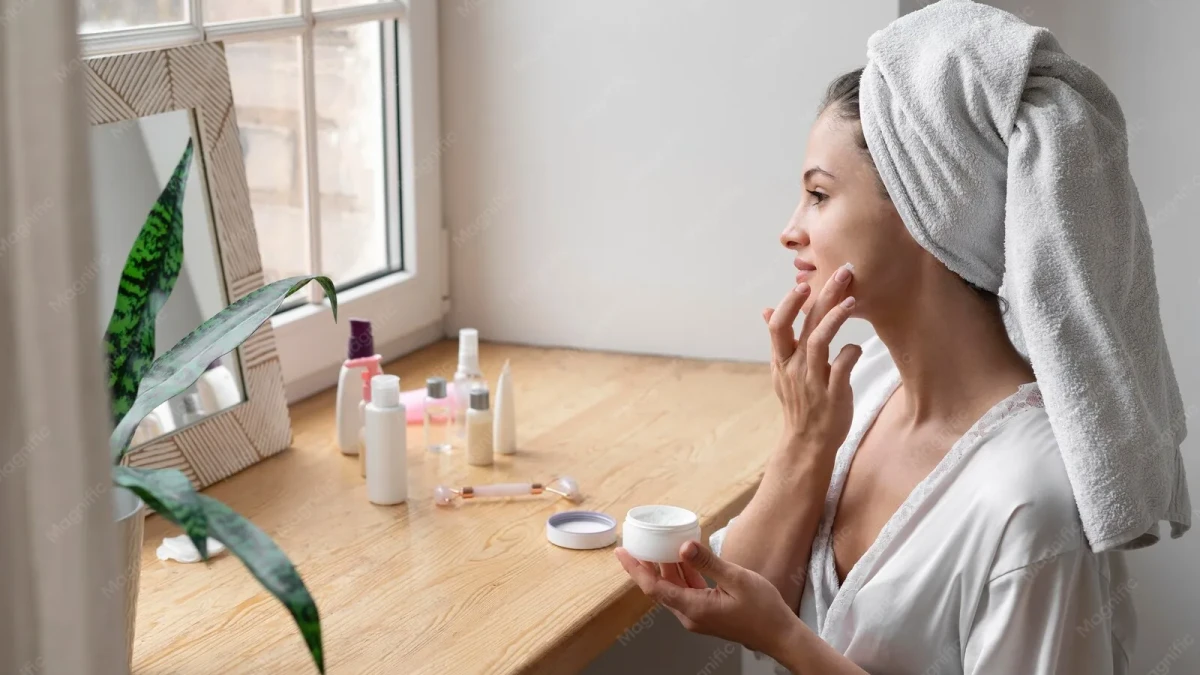
- Sun protection, every day: a broad-spectrum, high-SPF sunscreen on cloudy days and in winter too. Reapply every few hours if you are outdoors for long, and do not forget the backs of your hands and décolletage.
- Cosmetic ingredients for pigmentation: vitamin C, niacinamide and similar brightening ingredients can help skin tone look more even with regular use. Patch-test any new product first.
- Gentle exfoliation: cosmetic products with mild chemical exfoliants can support cell renewal, but overuse irritates the skin and can darken spots.
- Skip “natural” hacks: lemon juice, vinegar or baking soda irritate the skin and, combined with sun, can cause new marks.
Our Professional Care Protocol
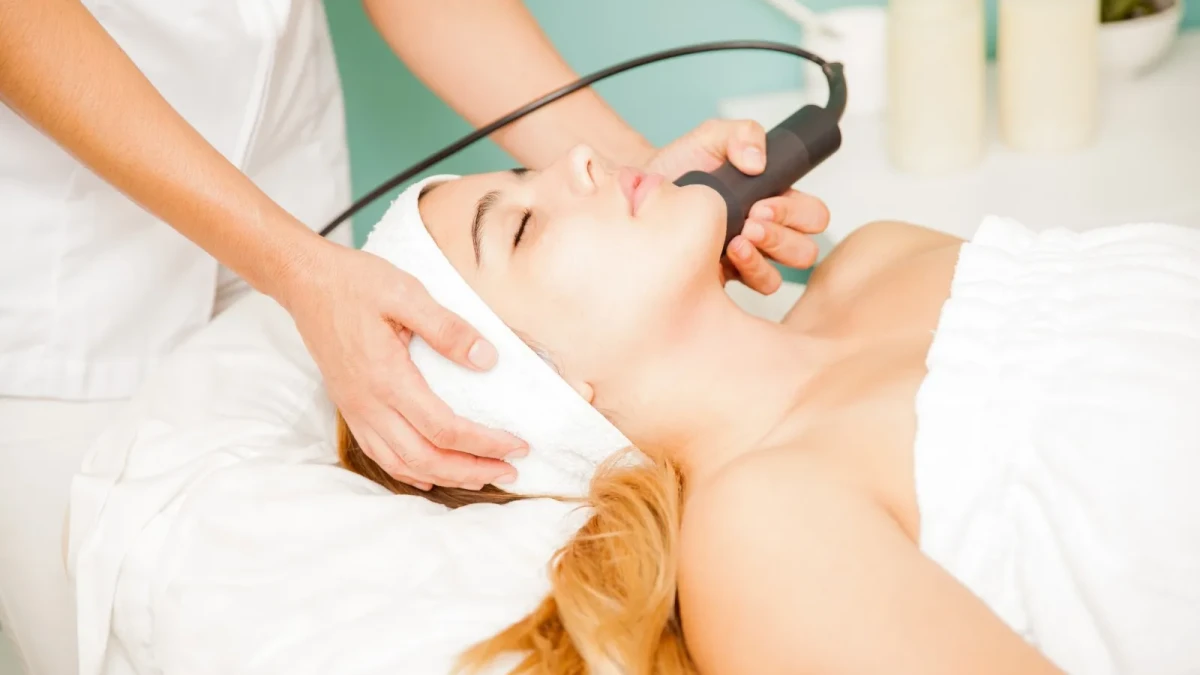
The aim of a salon spot treatment is to strengthen your home routine and reduce the look of pigmentation with professional ingredients chosen for your skin. Our protocol works like this:
- Skin assessment: we discuss the type of spot, your skin type, the products you use and your sun exposure. If we see a spot that should be checked by a dermatologist, we tell you clearly.
- Choosing the treatment: for skin prone to pigmentation, Genosys SnowCell spot treatment, using ingredients that help balance skin tone and support a brighter look.
- Session plan: for SnowCell, 3–6 sessions are usually recommended for more supportive results, with intervals set according to your skin. A session takes about 60 minutes and you can return to your day straight afterwards.
- Home routine: we plan the cleanser, moisturiser and sun protection you will use between sessions.
- Follow-up: progress is compared with photos taken in the same light.
We explain professional cosmeceutical care in what is Genosys, and peel options for skin renewal in what is a seaweed peel.
When Should You Start?
The best time to start treating sun spots is autumn and winter, when the sun is less intense. A plan started then gives spots time to fade before summer. Treatment can continue in summer, but sun protection must be much stricter; avoid intensive treatments right before a holiday.
Realistic Expectations
Sun spots can look much lighter with consistent care, but they darken again and new ones form if sun protection stops. The secret is not a single treatment but keeping protection, a home routine and professional care going together. See all options on our skin care page.
This content is for general information and is not medical advice. See a dermatologist about any spot that changes in shape, colour or size. Results vary from person to person.
Frequently Asked Questions
Answers to the most frequently asked questions about this content
Do sun spots fade on their own?
Usually not. Sun spots rarely disappear by themselves, but daily sun protection, a home routine and suitable care can fade them noticeably.
How many sessions do sun spots need?
For Genosys SnowCell, 3–6 sessions are usually recommended for more supportive results, with intervals set according to your skin.
When should I start treating sun spots?
Autumn and winter are best, when the sun is less intense, giving spots time to fade before summer.
Which spots need a dermatologist?
Spots that are asymmetrical, have irregular borders or several colours, are growing, or itch, bleed or crust should be examined by a dermatologist before any treatment.
Does lemon juice lighten spots?
We do not recommend it. Lemon juice irritates the skin and, combined with sun, can cause new marks.