Blogs
Melasma and Pregnancy Mask: What a Salon Can Do and When to See a Dermatologist
Contents
Short answer: Melasma is a pigmentation disorder that usually shows as symmetrical brown-grey patches on the cheeks, forehead, upper lip and chin, triggered by hormones, sun and visible light. When it appears during pregnancy it is called the “pregnancy mask” (chloasma). Diagnosis and a treatment plan are a dermatologist's job; prescription creams and medical lasers are done by doctors and are not offered at our salon. What a salon can do, with your doctor's approval, is gentle, non-irritating care aimed at the look of pigmentation and, above all, help you build a consistent sun protection habit.
What Is Melasma and Why Does It Happen?
Melasma develops when the skin's pigment cells (melanocytes) are over-stimulated. There is rarely a single cause; usually several factors combine:
- Hormones: pregnancy, the contraceptive pill and hormone therapy can trigger it, which is why it is far more common in women.
- Sun and light: besides UV rays, visible light is also known to darken melasma.
- Heat: hot environments, saunas and treatments that heat the skin can make it more visible in some people.
- Genetics and skin type: it is more common in olive and darker skin and in people with a family history.
Does Pregnancy Mask Go Away?
Patches that appear during pregnancy fade for many people in the months after birth as hormones settle. But they do not always disappear completely; they can persist or darken again in later summers, especially if sun protection is neglected. That is why sun protection during and after pregnancy is the foundation of managing it.
Many active ingredients and treatments are not suitable during pregnancy and breastfeeding. If you are considering any product or treatment for pigmentation in this period, talk to your doctor first.
How Melasma Differs from Other Spots
| Type | Typical look | Main cause |
|---|---|---|
| Melasma | Symmetrical, blurry-edged patches on cheeks, forehead, upper lip | Hormones + sun/light |
| Sun spots | Well-defined individual spots on face, backs of hands, décolletage | Sun damage built up over years |
| Post-acne marks | Brown-pink marks where spots used to be | Post-inflammatory pigmentation |
The distinction matters because a treatment that helps one type of pigmentation can worsen melasma. For sun spots, see how to fade sun spots.
When to See a Dermatologist
If you suspect melasma, the first step is a dermatology appointment. Do not wait in these cases:
- You are not sure what the patch is,
- A spot is growing quickly, has uneven colour, is raised, itchy or bleeding,
- You notice a new mole or one that changes shape,
- Pigmentation keeps increasing despite consistent sun protection.
Prescription creams, oral medication, deep chemical peels and medical lasers are medical procedures; they are not offered at our salon.
What Can a Salon Do?
In melasma, salon care plays a supporting role: caring for the skin with ingredients aimed at the look of pigmentation without irritating it, protecting the skin barrier and setting up the right routine at home. If your doctor has a treatment plan, salon care should sit alongside it, not replace it.
Genosys SnowCell spot treatment
Our Genosys SnowCell spot treatment is a professional protocol for skin prone to pigmentation, using ingredients that help even out skin tone and support a brighter look. A skin assessment is done first to confirm suitability, and the number of sessions and intervals are planned around your skin. For background on Genosys, read what is Genosys.
What to avoid with melasma
- Treatments that heat or irritate the skin: inflammation and heat can increase pigment production.
- Aggressive peels and harsh scrubs at home: irritation can darken the patches.
- “Spot creams” recommended online: products of unknown content can irritate; prescription ingredients must be used under a doctor's supervision.
A Melasma Routine at Home
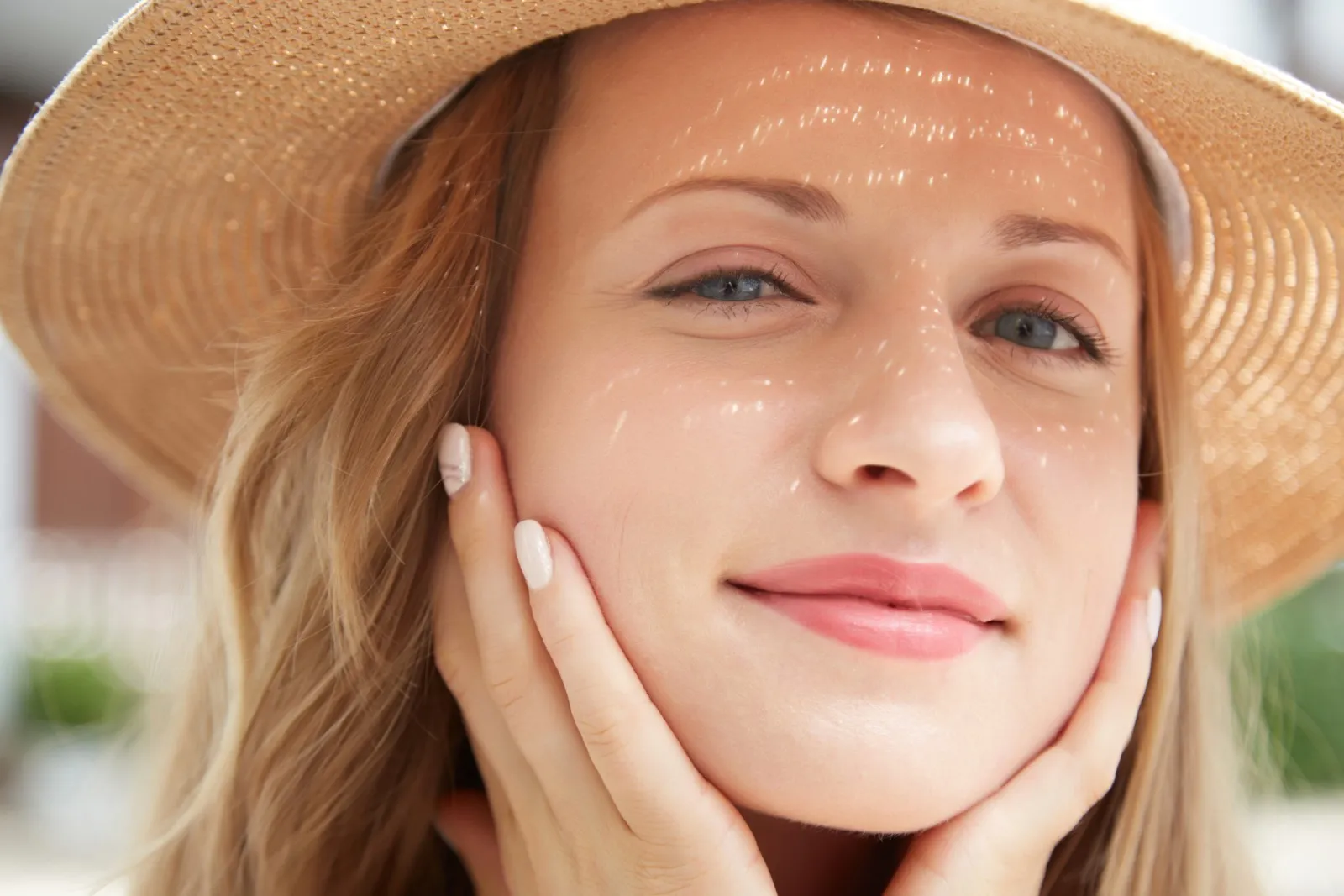
- Sun protection every day: on cloudy days and indoors near windows too. Choose a broad-spectrum, high-SPF product; tinted sunscreens can add protection against visible light.
- Reapply: if you are outdoors for long, top up every few hours.
- Physical protection: a wide-brimmed hat and sunglasses complement sunscreen.
- Gentle cleansing and moisture: a strong barrier means less irritation.
- Patience: melasma fades slowly and returns easily; it takes months of consistency.
Realistic Expectations
Melasma is not something that is “erased for good”; it is a condition that is kept under control. With daily sun protection, a doctor's plan and suitable supporting care, it can look noticeably lighter, but it often becomes more visible again in summer or with hormonal changes. For other kinds of marks, the “do not squeeze” advice in our blackheads article also helps prevent post-acne pigmentation.
At our salon we start with a skin assessment to see whether a treatment suits you. See all options on our skin care page.
This content is for general information and is not medical advice. Consult your dermatologist for the diagnosis and treatment of melasma, and choose products and treatments with your doctor during pregnancy and breastfeeding. Results vary from person to person.
Frequently Asked Questions
Answers to the most frequently asked questions about this content
What is melasma?
Melasma is a pigmentation disorder triggered by hormones, sun and visible light, usually showing as symmetrical brown-grey patches on the cheeks, forehead and upper lip.
Does pregnancy mask fade after birth?
For many people it fades in the months after birth, but not always completely. Without sun protection it can persist or darken again.
Can a salon treat melasma?
Diagnosis and treatment are a dermatologist's job; prescription treatments and medical lasers are not offered at our salon. With your doctor's approval, gentle supporting care for pigmentation can be done.
What matters most with melasma?
Daily broad-spectrum, high-SPF sunscreen, even on cloudy days, reapplied when outdoors for long, plus physical protection such as a hat.
Can I have pigmentation treatments while pregnant?
Many active ingredients are not suitable during pregnancy and breastfeeding. Talk to your doctor before any treatment or product.