


Blogs
What Is a Seaweed Peel? How It Differs from Organic Peels and Who It Suits
Short answer: a seaweed peel is a resurfacing treatment in which a blend of finely ground seaweed and botanical ingredients is massaged into the skin. Unlike an acid-based chemical peel, it works mechanically: the fine particles stimulate the top layer of skin, which then renews with light flaking over a few days. It is a good fit for dull, rough skin with uneven tone; sensitive skin and active breakouts need assessing first.
How Is a Seaweed Peel Applied?
- Skin analysis: we ask about your skin type, sensitivity, recent treatments and actives you use (retinol, acids).
- Cleansing: make-up and impurities are removed and the skin is dried.
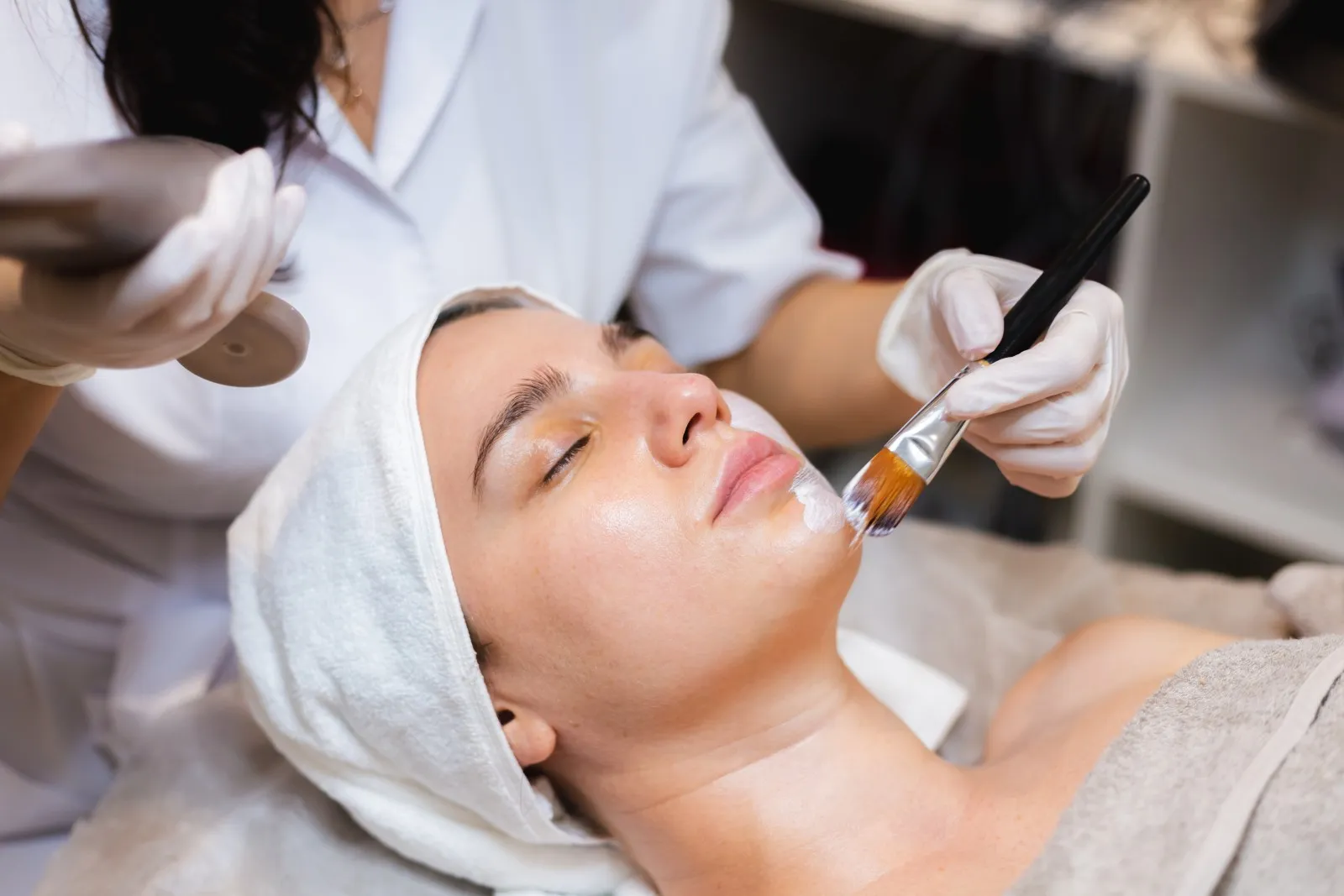
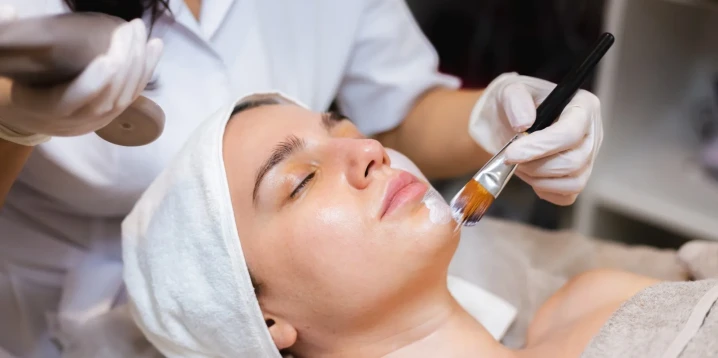
- Application: the seaweed blend is spread and massaged in area by area. A light warmth and tingling are normal.
- Rest and removal: the blend is gently removed after the set time.
- Soothing: finished with moisturiser, a calming mask and sunscreen.
A treatment usually takes 45–60 minutes. Mild redness, tightness and fine flaking for the first few days are signs that the top layer is renewing.
Seaweed vs Organic vs Chemical Peel
| Seaweed peel | Organic (enzyme/fruit) peel | Chemical (acid) peel | |
|---|---|---|---|
| How it works | Mechanical: fine particles and massage | Gentle exfoliation with plant enzymes | Acids dissolve the top layer |
| Peeling | Light-moderate, a few days | Usually none or very light | Mild to marked, depending on strength |
| Best for | Dull, rough skin with uneven tone | Sensitive skin, first-time peels | Specific concerns after professional assessment |
| Downtime | 1–3 days of light flaking | None | Depends on depth |
If you want a gentler start, an organic peel can be a good first step. A skin analysis shows which suits you.
Who Is a Seaweed Peel For?
- Dull, tired-looking skin,
- Rough texture and visible pores,
- Uneven tone and mild dark spots,
- Post-acne marks (when there is no active inflammation).
Who should skip or postpone it?
- Anyone with active inflamed acne or open wounds,
- Rosacea, eczema or other skin conditions (see a dermatologist first),
- Recent isotretinoin use or heavy retinol/acid use,
- Freshly tanned or sunburnt skin,
- Pregnancy and breastfeeding (suitability must be assessed).
How Many Sessions and How Often?
The number of sessions depends on your skin and goals. Most people leave a few weeks between sessions so the skin recovers fully. Autumn and winter, with less sun exposure, are the best time of year for peels.
Aftercare
- No make-up for the first 24 hours; avoid hot water and steam.
- Never pick or peel flaking skin; let it shed on its own.
- Use a gentle cleanser and plenty of moisturiser.
- Apply at least SPF 30 daily and reapply every two hours outdoors.
- Pause retinol, acids and exfoliating products for a week.
- Skip saunas, hammams and sweaty workouts for a few days.
Combining It with Other Treatments
Because it renews the top layer, a seaweed peel prepares the skin for hydrating and tone-evening treatments. If dark spots are the main concern it can be paired with Genosys SnowCell; if deep cleansing and hydration matter most, with a Hydrafacial. Read more in what is Genosys?
Seaweed Peel in Şişli, Istanbul
At our salon on Abide-i Hürriyet Avenue we assess your skin first and decide together whether a seaweed peel is right for you, in English if you prefer. See our seaweed peel service or get in touch.
This content by Renew & Revive is for general information only and is not medical advice. Please consult a dermatologist about skin conditions and medications. Our centre provides beauty and care services.
Frequently Asked Questions
Answers to the most frequently asked questions about this content
Does skin peel after a seaweed peel?
Yes, most people see 1–3 days of light flaking and tightness. It shows the top layer is renewing; do not pick or peel the flakes.
Does a seaweed peel hurt?
You feel light warmth and tingling during the massage. If it becomes uncomfortable, your specialist adjusts the intensity and timing.
Can I have a seaweed peel in summer?
Yes, but sunscreen is essential and strong sun should be avoided. Autumn and winter, with less sun, are the ideal time.
What is the difference between a seaweed peel and an organic peel?
A seaweed peel works mechanically with fine particles and massage and causes light peeling. An organic peel uses plant enzymes, is gentler and usually causes no peeling.
