Blogs
The Best Time of Year to Start Laser Hair Removal
Contents
Short answer: the easiest time to start laser hair removal is usually between September and November. The sun is weaker, the risk of a tan is lower and the weeks you need to leave between sessions fit comfortably before summer. If you start in autumn, by the time summer arrives you will have completed most of your plan on most body areas. That said, laser hair removal can be done at any time of year; your skin's condition on the day and a steady session rhythm matter more than the season.
Why Does the Season Matter?
Laser light targets the pigment (melanin) in the hair root. When skin gets a lot of sun, the melanin in the skin increases too, which narrows the gap between the laser's "target" and the skin it needs to protect. That's why settings are chosen more cautiously on freshly tanned skin, or the session is postponed. At our salon we ask you to avoid strong sun and sunbeds for at least two weeks before a session.
That rule is hard to keep in summer, with holidays, beaches and long days outdoors. Autumn and winter mean covered-up clothes and less sun, and protecting the treated area from the sun after a session is much easier too.
The Hair Cycle: Why One Session Isn't Enough
Hairs don't all grow at the same time; they are at different stages. Laser works best on hairs in the active growth phase (anagen). Each session affects the hairs in that phase at the time; the rest are caught in later sessions. So:
- 6–8 sessions is a common range for most areas; hormones and hair density can change that number.
- There is a waiting period between sessions that depends on the area: shorter on the face, longer on the body. As a general guide, 4–6 weeks on the face and 6–8 weeks on the body are common.
- Booking sessions closer together doesn't speed things up; you have to wait for hairs to re-enter the active phase.
In other words, laser hair removal is a marathon, and the month you start decides which session you'll be on when summer comes.
How Many Sessions Before Summer?
The table below gives a rough idea of how many body-area sessions fit in before early June, with 6–8 weeks between them. The numbers are estimates; your actual plan is set after a hair analysis.
| Start month | Estimated sessions by June (body) | What it means |
|---|---|---|
| September | 5–6 | Most of the plan is done by summer |
| October | 4–5 | Clear reduction by summer |
| November | 4 | Still a good start |
| January | 3 | Sessions continue through summer |
| March | 2 | Strict sun protection needed in summer |
| May | 1 | The real plan shifts to autumn |
On the face, intervals are shorter, so one or two more sessions may fit in the same period.
Can You Have Laser Hair Removal in Summer?
Yes, but it needs more care. Areas that are not tanned and don't see the sun — underarms, bikini and intimate areas — can often continue through summer. On areas that have had a lot of sun, the session may be postponed or the settings chosen more cautiously. We make that call after seeing your skin. If you'll be in the sun after a session, use a high-SPF sunscreen on the area.
5 Steps to Start in Autumn
- Let your summer tan fade: if you had a lot of sun at the end of summer, you may need to wait a few weeks before your first session.
- Get a hair analysis: your hair type, skin tone and the right wavelength are assessed. At our salon this is done with a free hair analysis and patch test.
- Stop waxing and plucking: during your course, don't use methods that pull out the root; only shave between sessions.
- Set your session calendar in advance: knowing the intervals for each area helps you avoid gaps.
- Keep using sunscreen in winter: especially on exposed areas such as the face and hands.
Which Device for Which Skin Tone?
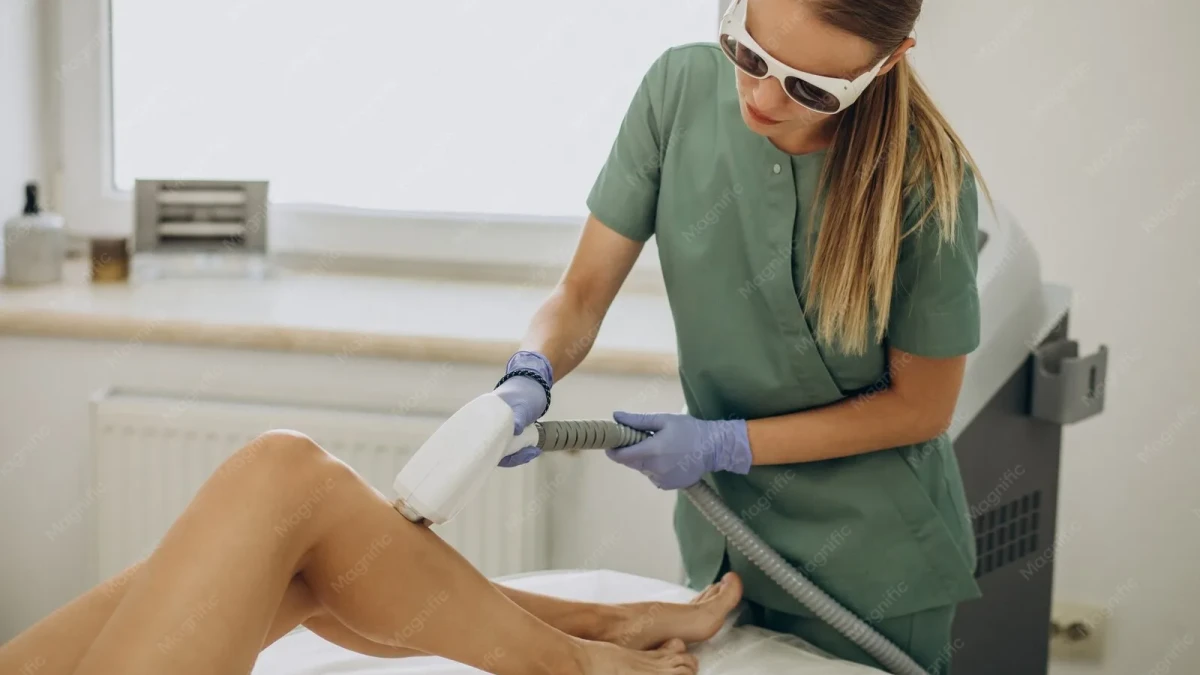
At our salon we use the Megatron 4D Diode ice laser, which combines 755, 808, 940 and 1064 nm wavelengths; the 1064 nm wavelength allows safer settings on darker skin. To compare technologies, read Alexandrite vs diode, and for home devices see at-home laser vs professional diode. Wondering what a session feels like? Our guide does laser hair removal hurt? has you covered.
An Autumn Laser Plan in Şişli
At our salon on Abide-i Hürriyet Avenue we start with a hair analysis and build a session calendar for your areas. For all areas and details, see our laser hair removal and laser hair removal in Şişli pages.
This content is for general information only and is not medical advice. If you suspect hormonal hair growth or take regular medication, talk to your doctor. Results vary from person to person.
Frequently Asked Questions
Answers to the most frequently asked questions about this content
Which month is best to start laser hair removal?
September to November is usually the easiest time. There is less sun, and the intervals between sessions fit comfortably before summer.
Can I have laser hair removal in summer?
Yes. Sessions can continue on areas that don't see the sun; on heavily tanned areas the session may be postponed or settings chosen more cautiously.
How long should I avoid the sun before a session?
We recommend avoiding strong sun and sunbeds for at least two weeks before each session.
How long between sessions?
It depends on the area. As a general guide, 4–6 weeks on the face and 6–8 weeks on the body; your exact plan is set after a hair analysis.
How many sessions will I need?
6–8 sessions is a common range for most areas. Hormones and hair density can change that number.