Blogs
What Is EMS? How Electrical Muscle Stimulation Works and Who It Suits

Contents
Short answer: EMS stands for electrical muscle stimulation (electromyostimulation). Electrodes on the skin send low-frequency electrical impulses to the muscles, which contract and relax in response, imitating the signal the brain sends during exercise. EMS supports muscle tone and firmness and can help work the muscles that hold your posture, but it does not cause weight loss on its own. It works best combined with regular movement and a balanced diet. Smart EMS at our salon stimulates the muscles with a magnetic field instead of electrodes (it is also known as EMSculpt); there are no electrodes or gel, and the session can be done over your clothes.
How Does EMS Work?
Muscles normally contract in response to electrical signals from the nervous system. An EMS device delivers similar impulses from outside, through electrodes placed on the skin or built into a suit. Adjusting frequency and intensity produces anything from a light flutter to a strong contraction. During the session you can sit, lie down or make light movements.
Smart EMS at our salon reaches the same goal in a different way: the magnetic field created by the device produces rhythmic contraction and relaxation in the muscles of the target area. The applicator is positioned over the area; nothing is stuck to the skin and no gel is used.
A key feature of EMS is that it can recruit muscle fibres that are hard to reach in voluntary exercise. That's why some people feel mild muscle tiredness after the first sessions, similar to after a workout.
What EMS Does and Doesn't Do
| Supports | Doesn't deliver on its own |
|---|---|
| Muscle tone and a firmer look | Weight loss |
| Working abdominal, waist, glute, leg and arm muscles | Directly melting fat tissue |
| Keeping muscles active during periods of limited movement | Cardio fitness and stamina |
| Activating back and core muscles that support posture | Removing cellulite |
Don't confuse EMS with other methods. G5 massage, for example, uses vibration for circulation and the look of cellulite. EMS targets muscle.
Exercise and EMS: Does One Replace the Other?
Selling EMS as "getting fit without exercise" is tempting but unrealistic. Exercise builds cardiovascular health, stamina, balance and coordination; EMS doesn't. It can, however, be a good complement:
- Short on time: short sessions targeting specific muscle groups alongside walking or light training.
- Already training: extra work for lagging muscle groups such as glutes or lower abs.
- Returning after a break: getting muscles used to working again. If you are injured or in rehabilitation, decide this with your doctor or physiotherapist.
Avoid scheduling EMS on the same day as a heavy workout and give your muscles time to recover. Stacking sessions while your muscles are sore brings no benefit.
What Happens in a Session?
- Assessment: target areas, health history and expectations.
- Positioning: with Smart EMS the applicator is placed over the targeted muscle group; no electrodes or gel are used and the session can be done over your clothes. Metal jewellery and accessories are removed from the area.
- Treatment: intensity starts low and increases to your tolerance. It feels like the muscle tightening rhythmically on its own; pain is not expected.
- Afterwards: drink plenty of water and let your muscles rest.
Smart EMS sessions at our salon take about 25 minutes; they are usually planned 2–3 times a week, and most programmes run 6–10 sessions. We use it on the abdomen, buttocks, legs and arms. Your programme is based on your goals and how your muscles respond.
Who Should Avoid EMS?
- Pregnant women and those in the early postpartum period,
- People with a pacemaker or other electronic implant,
- People with heart rhythm disorders or serious cardiovascular disease,
- People with epilepsy,
- Anyone with an open wound, infection or skin condition in the area,
- Anyone recently operated on or undergoing cancer treatment.
If you have a chronic condition or take regular medication, check with your doctor first. EMS is generally not recommended under 18.
When Will You See Results?
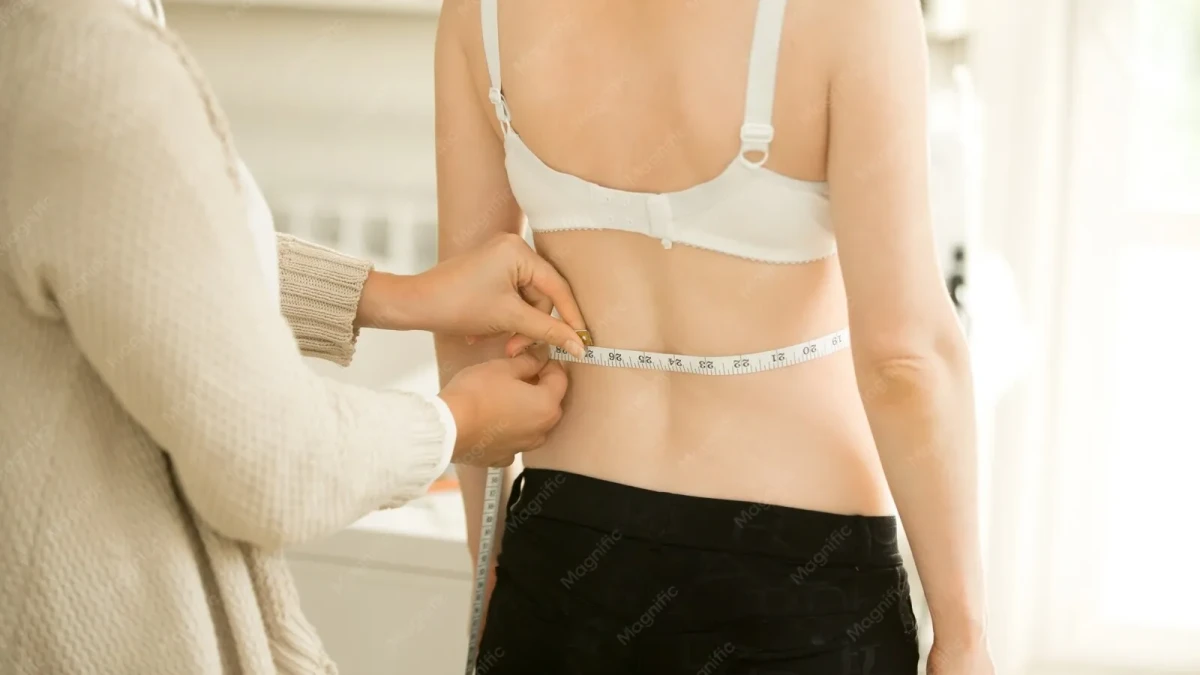
After the first sessions your muscles feel worked; a firmer look is usually more noticeable after a few weeks of regular sessions. Track progress with a tape measure and how clothes fit rather than the scale, since weight may not change while muscle tone improves.
Combining EMS with Other Treatments
For body contouring, EMS is usually part of a plan rather than used alone. The Magic Shape protocol combines lymphatic support and firming steps. To compare options, read Magic Shape, G5 and EMS compared and our overview of belly fat reduction without surgery.
Smart EMS in Şişli
At our salon on Abide-i Hürriyet Avenue we review your goals and health history before Smart EMS and track progress with measurements. See every option on our body contouring page.
This content is for general information and is not medical advice. Ask your doctor about any health concerns. Results vary from person to person. Our centre offers beauty and care services, not medical procedures.
Frequently Asked Questions
Answers to the most frequently asked questions about this content
What is EMS?
EMS means electrical muscle stimulation, the general name for methods that make muscles contract and relax through outside stimulation. Classic EMS uses electrodes; Smart EMS at our salon stimulates the muscles with a magnetic field.
How is Smart EMS different from classic EMS?
Smart EMS stimulates the muscles with a magnetic field and is also known as EMSculpt. No electrodes or gel are used, and the session can be done over your clothes.
Does EMS make you lose weight?
Not on its own. EMS works the muscles; weight loss needs a balanced diet and movement.
How long is an EMS session?
Smart EMS sessions at our salon take about 25 minutes.
How often should I do EMS?
Sessions are usually planned 2–3 times a week, and most programmes run 6–10 sessions; give your muscles time to rest in between.
Does EMS hurt?
Pain is not expected. You feel the muscle tightening rhythmically on its own during the session.
Who shouldn't have EMS?
Pregnant women and those in the early postpartum period, people with a pacemaker or electronic implant, heart rhythm disorders or epilepsy, and anyone with a wound or infection in the area.