
Blogs
Laser Hair Removal for Hirsutism and PCOS: What to Expect
Contents
Short answer: hirsutism is coarse, dark hair growth in women on areas where men typically grow hair: the chin, upper lip, neck, chest, the line below the navel and the back. Its most common cause is polycystic ovary syndrome (PCOS). Diagnosing hirsutism and treating its cause is a doctor's job; laser hair removal is a supporting method that reduces existing hair and makes daily life easier. Laser does work on hormonal hair growth, but it usually needs more sessions and regular touch-ups.
What Is Hirsutism?
Body hair comes in two types: fine, colourless vellus hair and thick, dark terminal hair. Hormones called androgens can turn vellus hair into terminal hair, especially on the chin, upper lip and chest. When this becomes pronounced in women, it is called hirsutism. Doctors use scoring scales that rate hair growth area by area to assess how significant it is.
Hirsutism is not the same as naturally hairier arms or legs. Hair growth that increases quickly, or comes with a deepening voice, hair thinning on the scalp or irregular periods, always needs a medical assessment.
How PCOS Affects Hair Growth
PCOS is a common condition affecting the ovaries and hormone balance. Androgen levels, or the sensitivity of hair follicles to them, may rise. This can show up as:
- coarse hair on the chin, neck and upper lip,
- noticeable hair along the navel line and between the breasts,
- new hairs activating more often after a laser course.
Hirsutism has other possible causes too, such as some medicines, thyroid or adrenal problems and family history. Finding the cause is the job of a dermatologist, gynaecologist or endocrinologist.
Does Laser Work on Hormonal Hair?
Yes. Laser targets existing follicles and reduces hair density. But while the hormonal influence continues, new follicles can become active. So:
- More sessions are usually needed. 8–10 sessions on the face, followed by touch-ups, is a realistic plan.
- Touch-ups are more frequent. After the main course, some people need short sessions every few months.
- Results are better alongside medical treatment. When the underlying hormonal condition is managed, laser results last longer.
See how session numbers vary in how many laser sessions do you need? and the limits of permanence in is laser hair removal permanent?
Before You Start Laser
- Medical assessment: if hair growth is new, increasing quickly or comes with irregular periods, see your doctor first.
- Tell us about medication: hormone treatments and some skin medicines can cause light sensitivity.
- Hair and skin analysis: hair colour, thickness and skin tone set the wavelength. At our salon this is done at a free hair analysis and patch test.
Common Areas
| Area | Note |
|---|---|
| Chin and neck | Most hormone-sensitive; need the most follow-up |
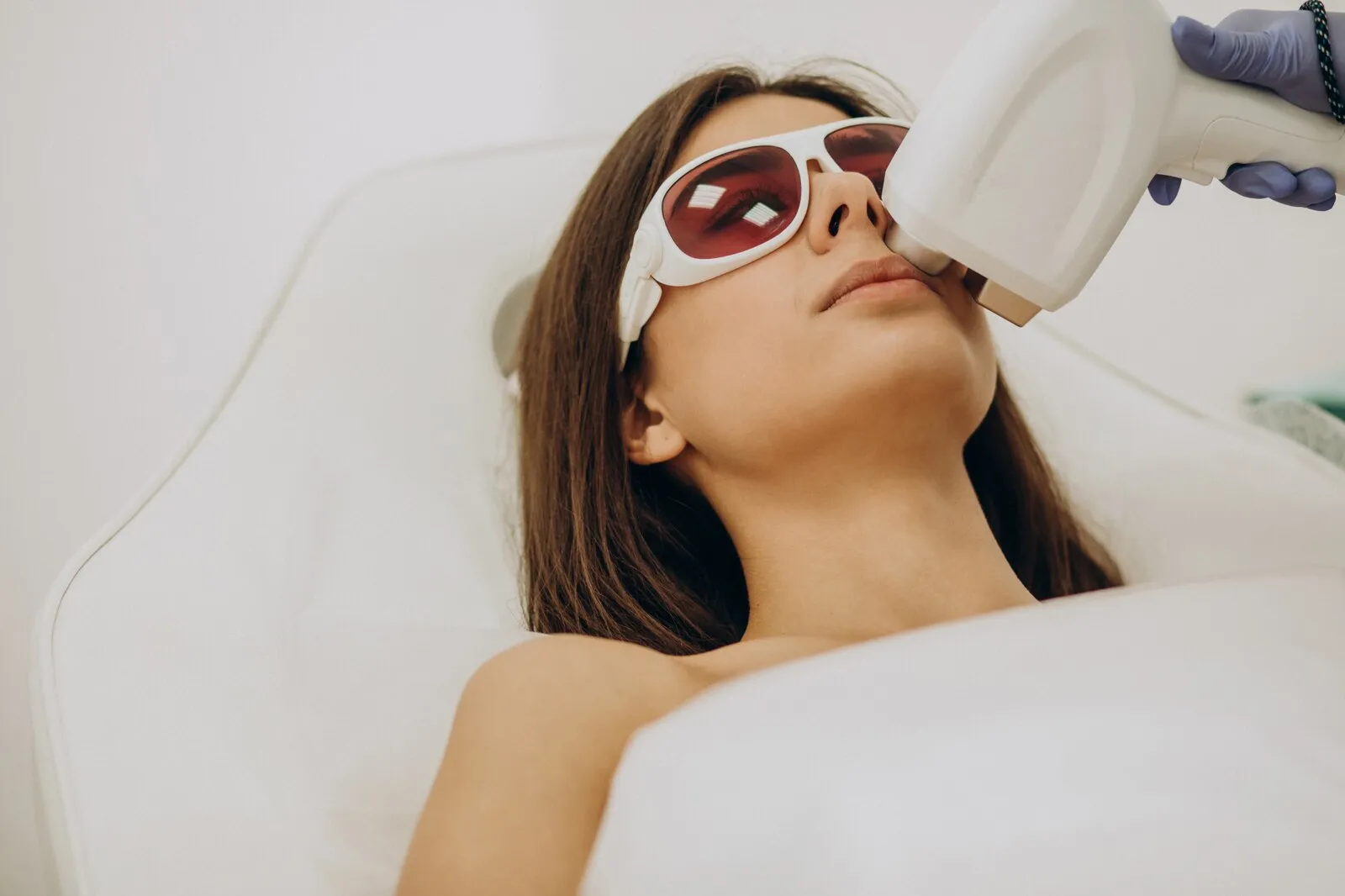
| Upper lip | Small area, short intervals (4–6 weeks) |
| Abdomen (navel line) and between the breasts | Coarse, dark hair; usually responds well |
| Back | Large area, longer intervals |
Between Sessions
- Tweezing, waxing and threading pull hair from the root, leaving nothing for the laser. Only shave between sessions.
- Plucking delicate facial skin raises the risk of ingrown hairs and marks; shaving is often safer.
- Use sunscreen; tanned skin may mean postponing a session.
- Keep to your schedule; consistency matters even more with hormonal hair.
The Emotional Side Matters Too
Unexpected facial and body hair upsets many women and can affect confidence. The aim isn't perfection but a sustainable plan that makes daily life easier. Curious about the sensation? Read does laser hair removal hurt?
Our Role
Renew & Revive is a beauty salon. We don't diagnose hirsutism or PCOS or recommend treatment; we plan the hair reduction side in line with your doctor's assessment. See every area for women on our female hair removal page.
This content is for general information and is not medical advice. See your doctor for diagnosis and treatment of hirsutism and PCOS. Results vary from person to person. Our centre offers beauty and care services, not medical procedures.
Frequently Asked Questions
Answers to the most frequently asked questions about this content
What is hirsutism?
Hirsutism is coarse, dark hair growth in women on male-pattern areas such as the chin, upper lip, chest and stomach. Its most common cause is PCOS.
Does laser work for PCOS hair?
Yes, it reduces existing hair. Because new hairs can activate while hormones remain a factor, more sessions and regular touch-ups are usually needed.
Should I see a doctor before laser?
If hair growth is new, increasing quickly or comes with irregular periods, a medical assessment is recommended first.
How many sessions for hormonal hair?
Planning 8–10 sessions on the face followed by touch-ups is realistic; the exact number is set at the hair analysis.
Can I tweeze between sessions?
No. Tweezing and waxing remove hair from the root; only shave between sessions.
Do you diagnose hirsutism?
No. Diagnosis and treatment belong with a doctor; we plan the hair reduction in line with your doctor's assessment.