Blogs
How to Fade Acne Scars: Red Marks, Dark Spots and Pitted Scars
Contents
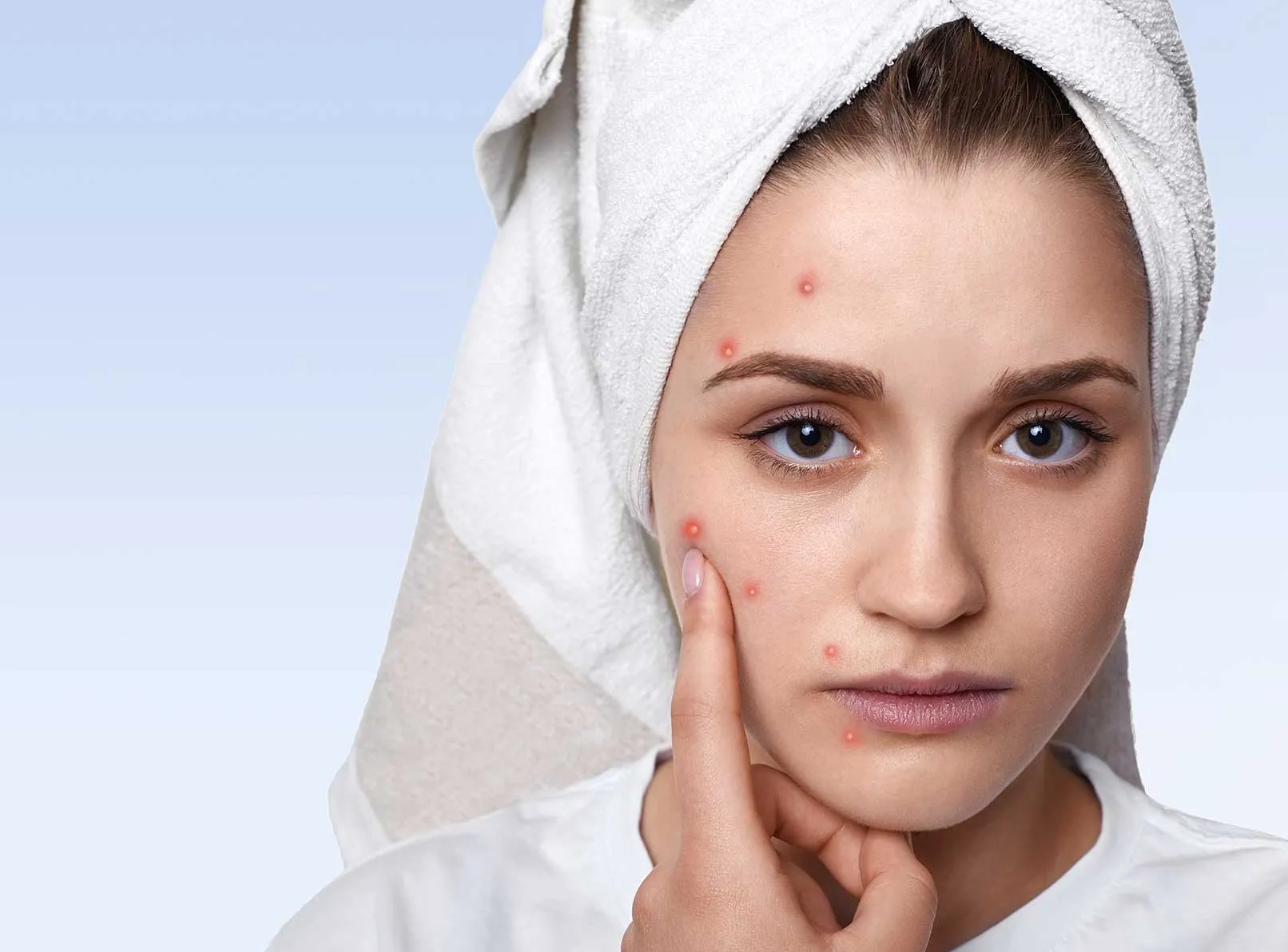
Even after a breakout heals, the mark it leaves can bother you for longer than the spot itself. When people say "acne scars" they usually mean three quite different things: red marks, brown spots and indented (pitted) scars. Which ones fade on their own, which respond to skincare and which need a doctor all depend on telling them apart. This guide goes through acne scars by type and is clear about what we can and cannot do at the salon.
Why Acne Leaves Marks
An inflamed spot behaves like a small wound. While it heals, the skin may produce extra pigment, small blood vessels may stay dilated for a while, or – if the inflammation went deep – tissue can sink because of collagen loss. Squeezing spots pushes inflammation deeper and is the most common habit that raises the risk of scarring. Sun exposure darkens existing marks.
Types of Acne Scars
| Type | What it looks like | Does it fade on its own? | What the salon can do |
|---|---|---|---|
| Red/pink marks (PIE) | Flat red or purplish-pink marks, more common on fair skin | Usually fades over months | Soothing, barrier-supporting treatments; sun protection |
| Brown spots (PIH) | Flat brown or dark marks, more common on olive and darker skin | Usually lightens over months; darkens with sun | Pigmentation treatments, gentle peels, daily sun protection |
| Pitted (atrophic) scars | Indentations and changes in skin texture | No, they are permanent | Treatment is a medical procedure; not done at the salon |
A simple check: press a clear glass against the mark. Red marks usually blanch under pressure, while brown spots keep their colour. If you can feel a dip with your finger, it is likely an atrophic scar.
Get Active Acne Under Control First
As long as new spots keep appearing, new marks will too. That is why active acne needs to be settled before working on scars. Our acne care treatment focuses on deep cleansing and oil balance, aiming to clear pores without irritating the skin. If you are prone to blackheads, our guide to clearing blackheads without squeezing will help too.
When should you see a dermatologist? If you have deep, painful or cystic spots, acne that is spreading quickly, spots that are starting to leave pitted scars, or signs of a hormonal imbalance (such as irregular periods or increasing hair growth), see a dermatologist first. Prescription treatment is a medical decision; salon care can only support it with your doctor's agreement.
Salon Treatments for Brown and Red Marks
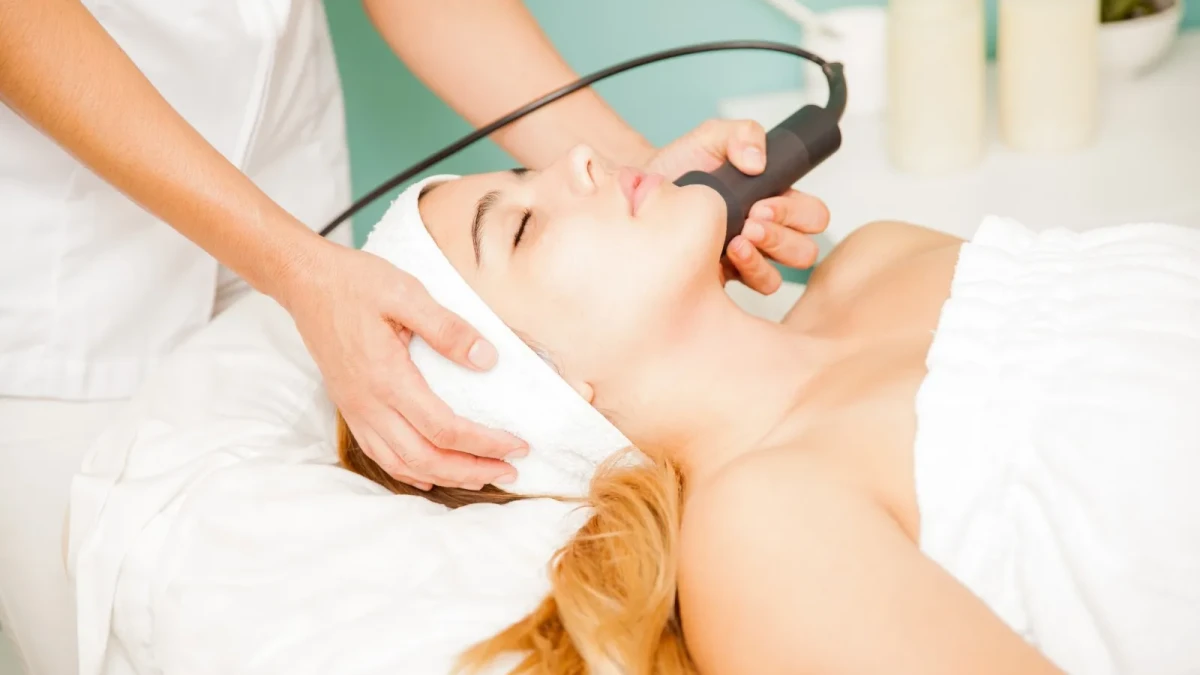
For flat (non-pitted) acne marks, the aim is to support the skin's natural renewal and reduce the look of pigmentation. Before treatment, guests receive a detailed skin analysis with an AI-supported skin analysis device, and the plan is chosen based on the result.
- Genosys SnowCell: a protocol aimed at reducing the look of uneven tone and brown spots.
- DermaRevive: a treatment that supports skin renewal and moisture balance.
- Hydro Facial: pore cleansing and hydration to help balance acne-prone skin.
- Organic peel and organic seaweed peel: gently renew the surface and can help marks look less visible. See our seaweed peel guide for the difference.
Results for pigmentation usually show over several sessions and a number of weeks; without sun protection, lasting improvement is not realistic. For more on pigmentation in general, read our spot treatment article.
Pitted Acne Scars: A Job for a Doctor
Atrophic (pitted) scars involve tissue loss, so surface treatments cannot correct the scar itself. The methods used for these scars – resurfacing lasers, microneedling, deep chemical peels and similar – are medical procedures and are not performed at our salon. If you have pitted scars, we recommend seeing a dermatologist. Salon care can soften pigmentation and uneven tone around these scars and improve the overall look of the skin, but it will not fill the indentations.
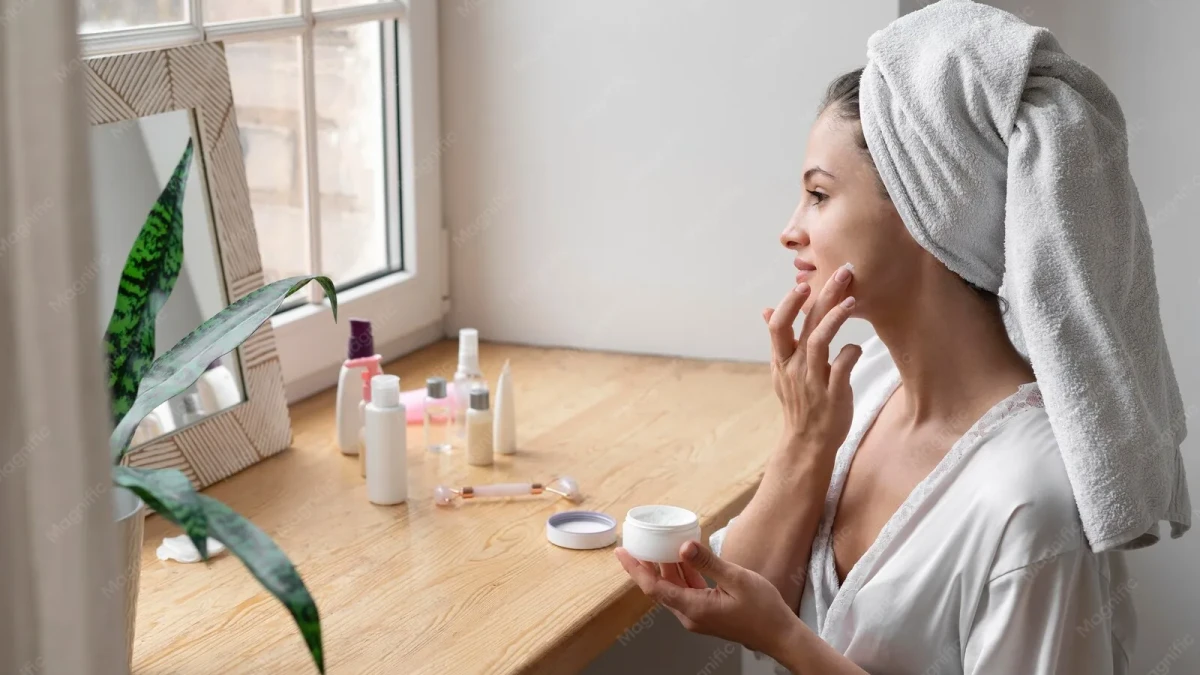
Caring for Acne Marks at Home
- Sun protection: use a broad-spectrum sunscreen every day, winter included. Sun is the biggest enemy of brown marks.
- Don't squeeze: the simplest way to prevent new marks.
- Gentle cleansing and moisture: harsh, drying products disrupt the barrier and can prolong redness. See our skin barrier guide.
- Patience and consistency: brightening ingredients usually take weeks to work; switching products often irritates the skin.
- Non-comedogenic products: choose make-up and sunscreen that won't clog pores.
A Personal Plan
Every skin has a different acne history, scar type and sensitivity, so there is no single treatment that suits everyone. At the salon we first assess your scar type and any active acne with a skin analysis, build a plan where salon care is appropriate, and say so clearly when a doctor is needed. See all options on our skin care page.
Book a Visit
We are at Abide-i Hürriyet Caddesi No:141, Şişli, open Monday to Saturday, 10:00–19:00. WhatsApp and phone: +90 533 038 48 24.
This content is for general information only and is not medical advice. Please see a dermatologist for the treatment of acne and acne scars. Our salon offers beauty and care services, not medical procedures. Results may vary from person to person.
Frequently Asked Questions
Answers to the most frequently asked questions about this content
Do acne scars go away on their own?
Red marks and brown spots usually fade over months, and sun protection helps. Pitted (atrophic) scars involve tissue loss, so they do not go away on their own.
Are acne marks and acne scars the same thing?
People often use the words interchangeably, but they differ. A mark is a flat change in colour; a pitted scar is an indentation and a change in skin texture.
Which salon treatments help with acne marks?
For flat marks, treatments such as Genosys SnowCell, DermaRevive, Hydro Facial and organic or seaweed peels are chosen based on your skin analysis. The aim is to reduce the look of pigmentation and support skin renewal.
Can pitted acne scars be fixed at a salon?
No. Methods used for pitted scars – resurfacing lasers, microneedling and deep peels – are medical procedures and are not performed at our salon. We recommend seeing a dermatologist.
Why does sunscreen matter for acne marks?
Sun darkens post-acne brown spots and slows their fading. Using a broad-spectrum sunscreen every day helps marks lighten faster.
Can I treat marks while my acne is still active?
Active acne needs to be settled first, because new spots leave new marks. For severe, cystic or rapidly spreading acne, we recommend seeing a dermatologist first.