Blogs
How to Fade Facial Dark Spots: Types of Pigmentation and the Right Care

Contents
Short answer: most dark spots won't vanish in one go, but with the right approach they can fade noticeably over weeks and months. The first and most important step is a broad-spectrum sunscreen every single day; without it, any treatment has limited effect. Brightening ingredients such as vitamin C, niacinamide or arbutin and regular professional spot care come next. Hormonal pigmentation such as melasma, and any dark mark that changes shape, should always be checked by a dermatologist.
Why Do Dark Spots Form?
Melanin is the pigment that gives skin its colour. Sun, hormones, inflammation (for example, a breakout) or irritation all increase melanin production; when the extra pigment gathers in certain areas, it shows up as a spot. The cause also determines which approach will work.
Types of Facial Pigmentation
| Type | What it looks like | Main cause |
|---|---|---|
| Sun spots | Well-defined brown spots on cheekbones, forehead and hands | Sun damage built up over years |
| Melasma | Symmetrical, wide brown-grey patches on cheeks, forehead and upper lip | Hormones (pregnancy, the pill) plus sun |
| Post-acne marks | Brown or reddish marks where breakouts used to be | Pigment increase after inflammation |
| Freckles | Small, light brown dots that darken in summer | Genetics and sun |
For more on marks left by acne, read post-acne marks.
What You Can Do at Home
- Sunscreen: every morning — on cloudy days and in winter too — use at least SPF 30 broad-spectrum protection, and reapply every few hours outdoors. For melasma, tinted sunscreens that also protect against visible light can help.
- Brightening ingredients: serums with vitamin C, niacinamide, arbutin, azelaic acid or tranexamic acid support a more even tone with regular use. Results usually take weeks.
- Gentle care: harsh scrubbing, strong peel pads and squeezing spots increase inflammation and can create new marks.
- Patience: the deeper the pigment, the longer it takes. Give a product at least 8–12 weeks of consistent use before judging it.
Avoid DIY remedies such as lemon, vinegar or baking soda. They irritate the skin and, combined with sun, can make spots darker.
Professional Spot Care at Our Salon
Professional treatments speed up and support your home routine. Our main options for the look of pigmentation are:
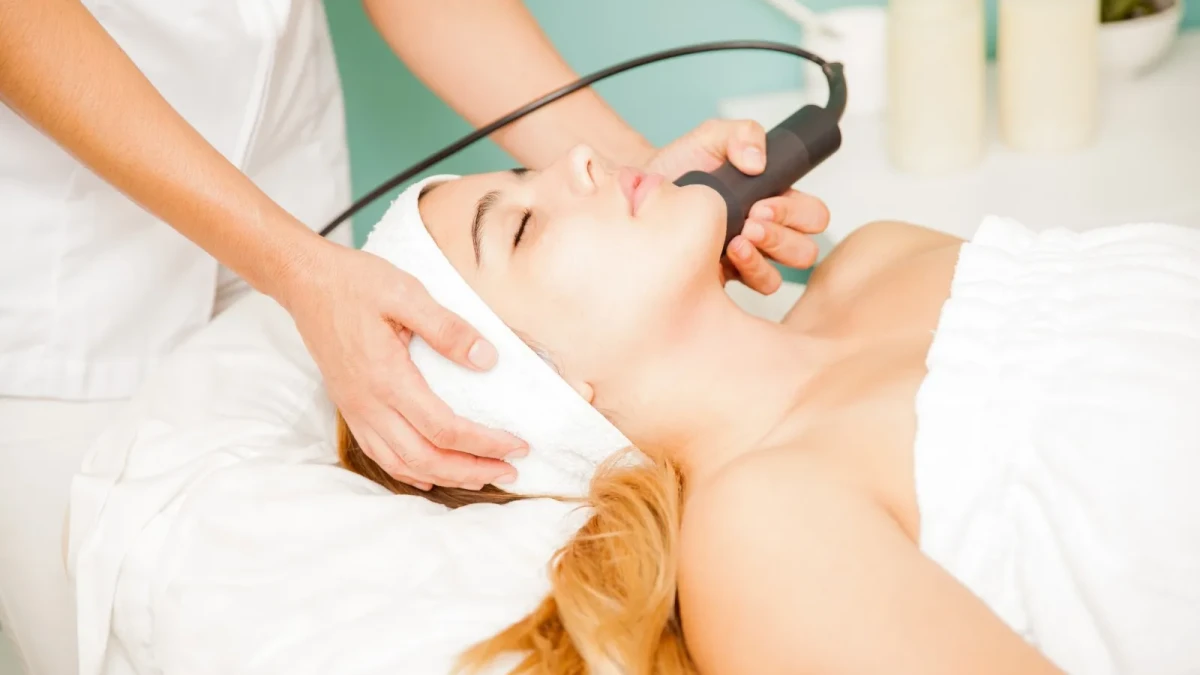
- Genosys SnowCell spot treatment: a protocol of about 60 minutes with ingredients that help balance skin tone and brighten. A course of 3–6 sessions is usually recommended for more visible results. Read more in our SnowCell spot care article.
- Organic peel and organic seaweed peel: help remove dead surface cells and support brightening care. See what is a seaweed peel? for the difference.
- Pumpkin peel: a revitalising, purifying option.
If sun protection slips during a course of spot care, progress can be lost quickly. That's why starting professional care in autumn and winter is often more effective.
When Should You See a Dermatologist?
- If a spot grows quickly, changes colour, border or shape, itches or bleeds,
- If you have wide, symmetrical patches and suspect melasma,
- If you are considering prescription creams, laser or deep chemical peels.
Laser and deep chemical peels for pigmentation are medical procedures and are not offered at our salon. Melasma also needs a doctor's care; salon treatments can only support it with your doctor's approval.
How Long Until You See Results?
Superficial sun spots and recent acne marks often fade noticeably within a few months. Older, deeper spots take longer, and melasma can be controlled but may return with sun and hormones. The realistic goal is a more even tone and fewer new spots, rather than erasing every mark.
Spot Care in Şişli
At our salon on Abide-i Hürriyet Avenue, spot care starts with a skin assessment: we look at the type of pigmentation, your skin type and the products you use, and refer you to a dermatologist first if needed. Not sure of your skin type? Start with our skin type guide. All options are on our skin care page.
This content is for general information only and is not medical advice. If you notice changes in a spot, see your dermatologist. Results vary from person to person.
Frequently Asked Questions
Answers to the most frequently asked questions about this content
Can dark spots on the face fade completely?
Superficial sun spots and recent acne marks often fade noticeably. Deeper spots and melasma take longer and can return; the realistic goal is a more even tone and fewer new spots.
What is the most important step for dark spots?
Wearing at least SPF 30 broad-spectrum sunscreen every day, including in winter. Without sun protection, other treatments have limited effect.
How long do brightening products take to work?
Give products with brightening ingredients at least 8–12 weeks of consistent use before judging them.
Can melasma be treated at a salon?
Melasma needs a doctor's care. Salon treatments can only support it with your dermatologist's approval.
Do lemon or vinegar lighten dark spots?
We don't recommend them. They irritate the skin and, combined with sun, can make spots darker.
Which spot treatments do you offer?
We offer Genosys SnowCell spot treatment, organic peel, organic seaweed peel and pumpkin peel, and choose the right one during your skin assessment.