
Blogs
How to Identify Your Skin Type: Dry, Oily, Combination, Sensitive
Contents
Short answer: the easiest way to find your skin type is to wash your face with a gentle cleanser, apply nothing for 30–60 minutes and then look at your skin. If your whole face feels tight and looks flaky, your skin is dry; if your whole face is shiny, it's oily; if only your forehead, nose and chin (the T-zone) shine while your cheeks are normal or dry, you have combination skin. If there is neither tightness nor shine, your skin is normal. Sensitivity is a separate trait: any skin type can also be sensitive.
Why Your Skin Type Matters
Products chosen for the wrong skin type can make a problem worse instead of better. Someone who constantly dries out their skin because they think it's oily can end up with more oil or a weakened barrier. In professional facials, too, the choice of protocol depends largely on skin type.
Two Simple Tests You Can Do at Home
1. The wash test
- Wash your face with a gentle, soap-free cleanser and pat dry.
- Apply nothing for 30–60 minutes.
- Look in the mirror and notice how your skin feels.
2. The tissue test
When you wake up, press a clean tissue lightly on your forehead, nose, chin and cheeks separately. See which areas leave an oily mark.
Skin Types and Their Signs
| Skin type | After washing | Typical signs |
|---|---|---|
| Normal | Comfortable, neither tight nor shiny | Even texture, barely visible pores |
| Dry | Tight, flaky in places | Dull look, fine lines more noticeable |
| Oily | Shine across the whole face soon after | Enlarged pores, blackheads, breakouts |
| Combination | Shiny T-zone, normal or dry cheeks | Blackheads on nose and chin, tight cheeks |
| Sensitive | Redness, stinging or itching | Quick reactions to new products, flushes easily |
Combination Skin: The Most Misread Type
With combination skin, different parts of the face behave differently. The T-zone has more oil glands, so it tends to shine and get blackheads, while the cheeks may be normal or dry. That means combination skin needs a balanced routine rather than one "strong" product:
- Cleansing: a gel or light foam cleanser that doesn't leave skin tight.
- Moisturising: a light, non-comedogenic moisturiser; a slightly richer cream on very dry cheeks.
- Targeted care: a purifying mask on the T-zone and a hydrating mask on the cheeks ("multi-masking").
- Sun protection: an oil-free, lightweight sunscreen.
Caring for Oily Skin
Oily skin still needs moisture; oil and hydration are not the same thing. Harsh, alcohol-heavy products may leave a matte finish in the short term but can cause irritation over time. Gentle cleansing twice a day, a light moisturiser and regular exfoliation are usually enough. For blackheads, see how to get rid of blackheads without squeezing.
Caring for Dry Skin
Dry skin produces less oil and its barrier weakens easily. Avoiding long hot showers, applying moisturiser while skin is still slightly damp and choosing ingredients such as ceramides and glycerin all help. To strengthen your barrier, read our skin barrier guide.
Note: dry skin and dehydrated skin are different. Even oily skin can become dehydrated from weather, air conditioning or the wrong products, in which case you see shine and tightness at the same time.
Caring for Sensitive Skin
With sensitive skin, fewer and simpler products are the safest route. Patch-test new products on a small area such as behind the ear or under the jaw, and avoid fragranced and strongly acidic products. If you have persistent redness, burning or acne-like bumps, see a dermatologist, as this could be a condition such as rosacea.
Can Your Skin Type Change?
Yes. Age, hormones, seasons, medication and the products you use can all change how your skin behaves. Skin that is combination in summer can turn dry in winter, so repeating the test a few times a year is a good habit.
A Professional Assessment
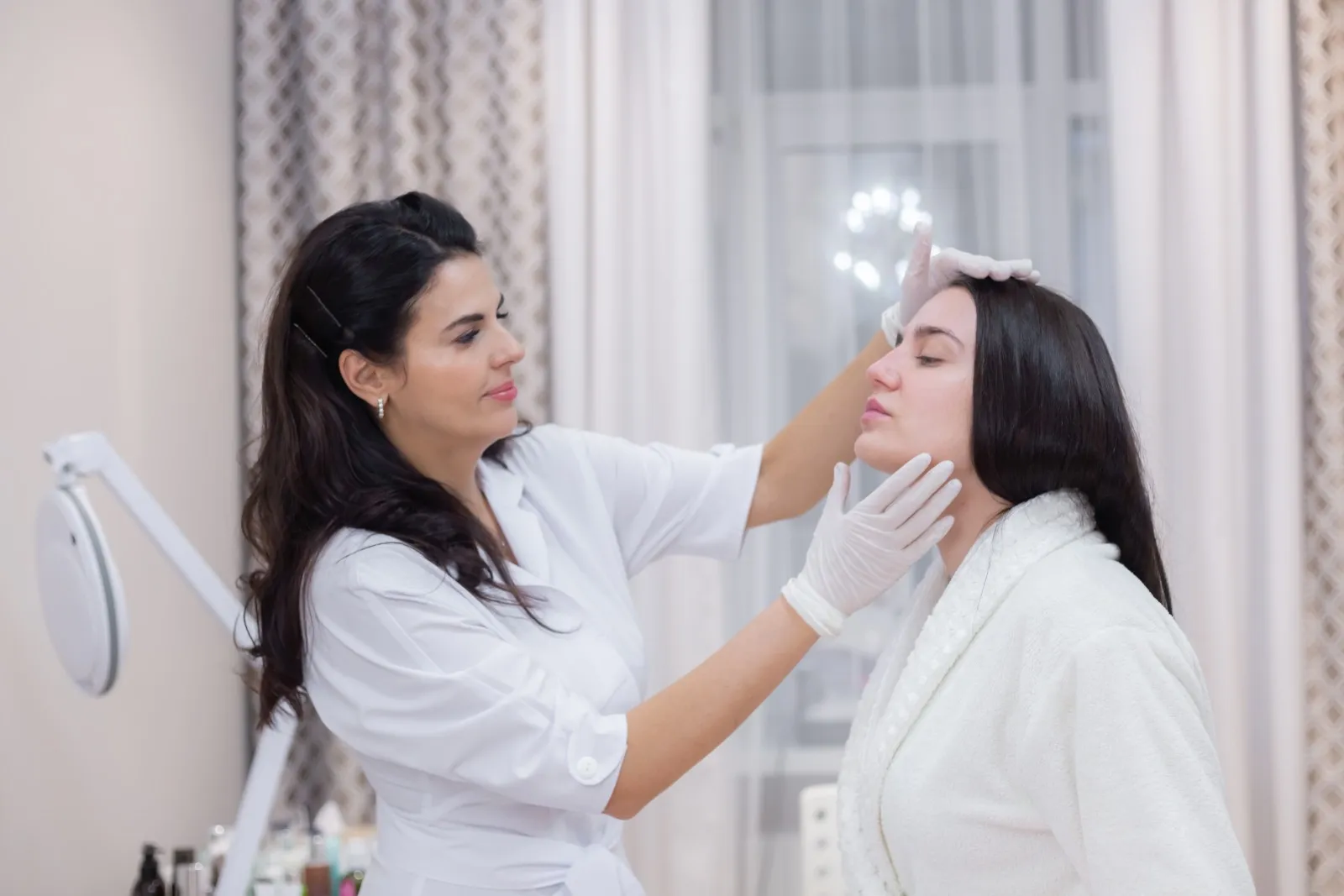
Home tests are a good start but aren't always conclusive. At our salon, every facial begins with an assessment of your skin type, sensitivity and the products you use, and we choose the treatment accordingly. We compare which facial suits which skin in Hydrafacial, Fresh or DermaRevive? See all options on our skin care page.
This content is for general information only and is not medical advice. For persistent redness, widespread acne or itching, see a dermatologist. Results vary from person to person.
Frequently Asked Questions
Answers to the most frequently asked questions about this content
How do I know if I have combination skin?
If, about an hour after washing, only your forehead, nose and chin are shiny while your cheeks stay normal or dry, you have combination skin.
Does oily skin need moisturiser?
Yes. Oil and hydration are not the same; oily skin also needs a light, non-comedogenic moisturiser.
Is dry skin the same as dehydrated skin?
No. Dry skin produces little oil; dehydrated skin has lost water and can happen to oily skin too.
Can my skin type change over time?
Yes. Age, hormones, seasons and the products you use can change how your skin behaves, so it's worth repeating the test a few times a year.
Can sensitive skin have professional facials?
Yes, with gentler protocols. We assess your skin before every facial; if you have persistent redness, please see a dermatologist first.