



When it comes to skin health and aesthetics, achieving smooth and even skin tone is a priority for many. However, sun exposure, hormonal fluctuations, and aging can cause unwanted pigmentation irregularities. Professional spot treatment procedures offer effective solutions to help restore the skin’s natural radiance. At Renew & Revive, we implement evidence-based approaches in managing uneven skin tone and tailor treatment protocols to each client’s needs.
Unlike traditional methods, modern skincare technologies aim to renew the skin without causing stress or damage. Protocols featuring enzyme peels and growth factors not only reduce the visibility of spots but also improve overall skin quality. In this article, we will explore the SnowCell application—its mechanism of action and key considerations during the treatment process.
What Is Spot Treatment and Why Is It Important?
Spot treatment encompasses professional procedures designed to improve the appearance of dark spots and uneven patches resulting from irregular melanin production. These pigmentation issues typically occur due to localized concentration of melanin pigment, disrupting skin uniformity and potentially making one appear tired or aged.
The significance of professional care lies in its ability to penetrate skin layers beyond the reach of home-use cosmetics. Expert-applied protocols accelerate the skin’s renewal cycle, promoting fresher skin texture. Regular spot treatments not only diminish existing spots but also strengthen the skin barrier, enhancing resilience against future damage.
What Is SnowCell? How Does It Help Even Out Skin Tone?
SnowCell is a cutting-edge enzyme peel system specifically formulated to address pigmentation irregularities and brighten the skin. This treatment renews the skin gently without peeling or irritation. The Genosys SnowCell Spot Treatment protocol combines arbutin, growth factors, and peptides to inhibit melanin synthesis and promote a more balanced skin tone.
A key feature of SnowCell is its activation of the skin’s natural enzymes, facilitating the removal of dead cells. This promotes the emergence of healthy cells from the deeper layers to the surface.
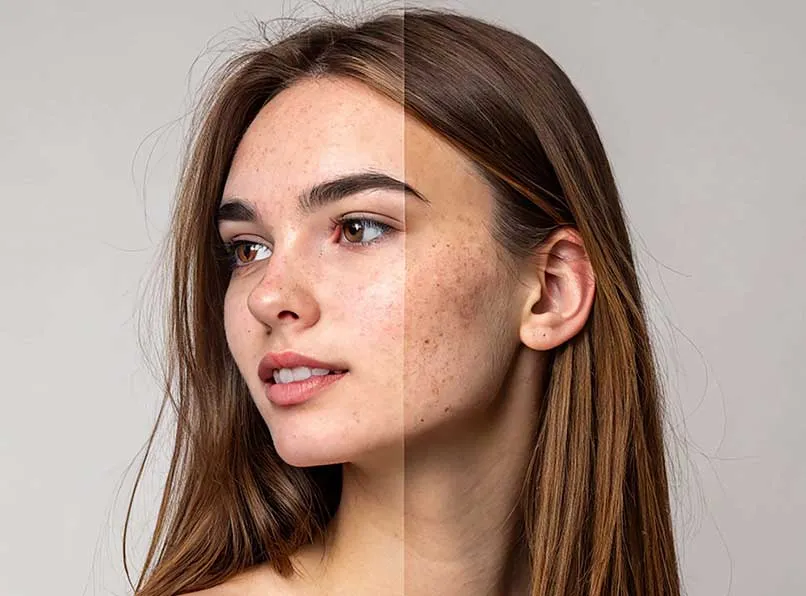
With consistent application, SnowCell aims to deliver a more vibrant, radiant, and evenly toned complexion. Unlike harsh chemical peels, it offers gentle renewal without increasing skin sensitivity, making it ideal for those seeking treatment without interrupting their daily routines. Below is a visual showing potential before-and-after results.
Which Types of Spots Is SnowCell Suitable For?
Skin spots vary according to their cause and depth. SnowCell is particularly effective for pigmentation located in the epidermis (upper skin layer). It primarily targets solar lentigines (sunspots) caused by cumulative sun exposure and age-related spots.
It may also be used to lighten post-inflammatory hyperpigmentation resulting from acne. For deeper and hormonally influenced conditions such as melasma, SnowCell can serve as a supportive treatment. The diagram below classifies spot types and their skin layer locations.
Each spot type requires a tailored approach. Therefore, a detailed skin analysis by our specialist aestheticians prior to treatment is essential to determine the most suitable protocol.
SnowCell Treatment Process: What to Expect Step by Step
SnowCell treatment is a comfortable, multi-step procedure. The first phase involves a thorough cleansing to remove makeup residue and impurities. Next, a special tonic balances the skin’s pH and prepares it for treatment.
The core of the treatment is a unique mask created by mixing enzyme powder with an activator solution. Upon application, the enzymes gently break down dead skin cells. Following this, serums containing vitamin C and arbutin support the brightening process.
Post-treatment, calming and hydrating masks and protective creams are applied. The session lasts approximately 45-60 minutes, offering a soothing skincare experience tailored to each individual.
Post-Treatment Care Recommendations
To maximize the benefits of professional spot treatment, a consistent home care routine is crucial. Since the skin is more sensitive to external factors during renewal, especially sun exposure, broad-spectrum, high SPF (50+) sunscreen must be applied regardless of season.
Maintaining skin hydration supports healing and enhances radiance. Use products recommended by your specialist that complement treatment effects. Even in winter, skin requires protection; for more information, visit our Winter Skincare Routine resource. Refer to the checklist below for key post-care steps.
Alternative and Complementary Care Options
One single method may not suffice for all pigmentation concerns or skin needs. Alternatives or adjunct treatments include gentle spot peelings that exfoliate the upper skin layer and are effective for superficial spots.
For a comprehensive approach, understanding various spot correction methods may help you choose the right option. Additional skin renewal treatments can improve overall skin quality and address aging signs. For those interested in natural ingredients, the pumpkin skin renewal treatment offers an organic, effective alternative.
Beauty is holistic; as you work toward smooth skin, complementary body sculpting treatments like targeted slimming and skin tightening may support your goals. Similarly, professional laser hair removal can complete your skincare regimen with a polished finish.
At Renew & Revive, we evaluate your skin’s specific needs throughout the spot treatment journey, providing personalized solutions for a healthy, radiant, and even complexion. Contact our experts for consultation.
The content provided by Renew & Revive is for general informational purposes only. The information on this page does not constitute medical advice, diagnosis, or treatment. Spot care and other applications are intended for personal care and cosmetic enhancement and are not medical treatments. For skin issues, suspicious moles, or persistent spots, it is recommended to consult a qualified dermatologist first. Results of applications may vary depending on skin type and individual characteristics. Do not delay seeking professional medical advice or treatment based on this information.