




Beauty and health are integral parts of modern life. Skincare is not only about aesthetics but also one of the most important steps to protect the health of the skin, our largest organ. At Renew & Revive, we believe healthy skin boosts confidence and overall quality of life. Today, two main approaches come to mind when discussing skincare: traditional methods and medical techniques.
In this guide, we will explore skincare processes, the key differences between traditional and medical treatments, and which method may suit you best. Our goal is to help you identify your skin’s needs accurately and support you in creating a conscious skincare routine.
What Is Skincare and Why Is It Important?
Skincare encompasses all practices aimed at maintaining skin integrity, reducing signs of aging, and minimizing the adverse effects of environmental factors. According to the American Academy of Dermatology (AAD), regular skincare routines strengthen the skin's barrier function, offering protection against premature aging.
Healthy skin reflects overall wellbeing. Cleaning pores, removing dead cells, and maintaining moisture balance all help the skin breathe easier. At Renew & Revive, our philosophy is that beauty comes with health, and we treat care processes holistically.
Traditional Skincare: Core Features and Practices
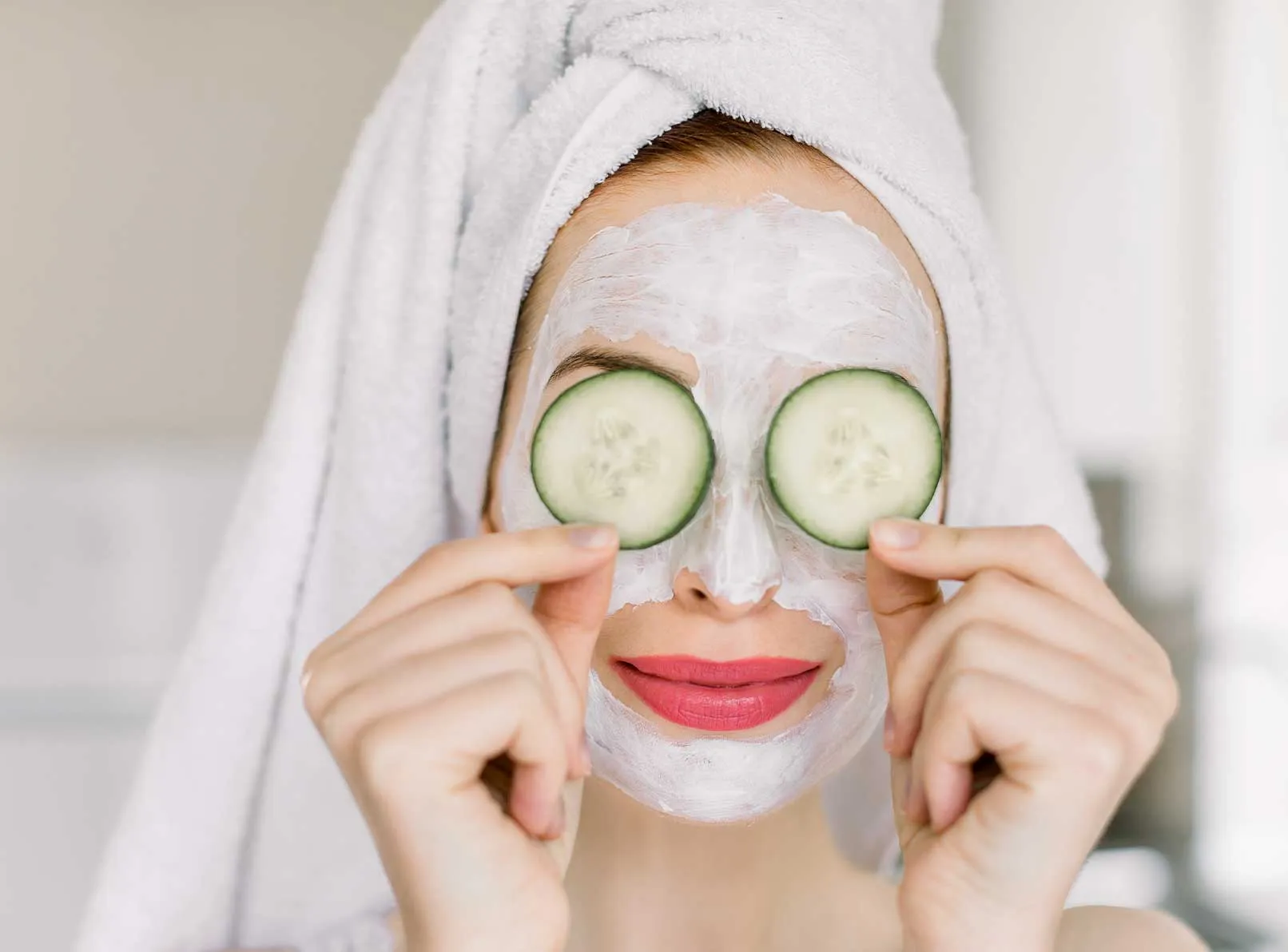
Traditional skincare usually includes surface-level cleansing, moisturizing, and relaxation-focused procedures. These methods remove daily impurities and aim to refresh the complexion. Steam baths, blackhead extraction (comedone removal), and mask treatments are foundational elements of this approach.
For sensitive skin or those avoiding chemical ingredients, natural methods such as organic peeling can be effective parts of traditional care. The products used typically belong to the dermocosmetic category, including moisturizers and toners.
What Is Medical Skincare? When Should It Be Chosen?
Medical skincare differs from traditional methods by targeting deeper skin layers, often using dermatological devices or active ingredients. These treatments address specific issues such as acne scars, deep wrinkles, hyperpigmentation, and loss of elasticity.
If your skin needs intensive repair or surface-level care does not meet your expectations, medical skincare treatments come into play. Specialists at the Mayo Clinic note that medical aesthetic procedures can stimulate skin renewal and increase collagen production.
Differences Between Traditional and Medical Skincare
The main difference between the two approaches lies in treatment depth and technology used. Traditional care is more protective and soothing, while medical care has restorative and treatment-enhancing properties. The choice depends entirely on individual skin type and goals.
For example, those wanting to improve overall skin quality and delay aging effects may consider skin renewal procedures classified under medical treatments.
Skincare Recommendations by Skin Type
Each skin type requires a customized care routine. Choosing the wrong products or methods may exacerbate existing issues.
- Oily and Acne-Prone Skin: Products that balance sebum and do not clog pores are recommended. Medical treatments containing salicylic acid can be effective.
- Dry Skin: Focus on intensive moisturization and barrier-repairing ingredients such as hyaluronic acid and ceramides.
- Hyperpigmented Skin: For sun damage or age spots, treatments targeting pigmentation and vitamin C-enriched care are advised.
- Seasonal Needs: Skin requirements vary with seasons. Winter skincare routines help protect the barrier against cold weather effects.
Important Precautions After Skincare Treatment
Maintaining the glow and health achieved with professional care depends on the ongoing home routine. The first 24-48 hours post-treatment are when the skin is most sensitive. Avoid direct sunlight and use high SPF sunscreen during this period.
Additionally, complementary techniques like lymphatic drainage massage can support toxin removal and improve circulation, enhancing the treatment's effects. Staying hydrated and avoiding environmental toxins such as cigarette smoke also accelerate recovery.
Current Trends and Approaches in Skincare
Beauty technologies are evolving rapidly with an emphasis on personalized solutions. Instead of one-size-fits-all treatments, protocols that consider genetic factors and lifestyle are preferred. Current trends include minimally invasive methods like needle-free mesotherapy and biological lifting.
Skincare is holistic; elements completing the aesthetic harmony such as professional nail care also contribute to overall appearance and wellbeing.
This content is intended for general informational purposes only and does not constitute medical advice, diagnosis, or treatment. The information provided herein is not a substitute for professional medical guidance. For any medical conditions or concerns related to your skin health, please consult a licensed healthcare professional. Renew & Revive does not provide medical services and offers only beauty and care treatments. Results of treatments may vary from person to person. Do not delay seeking medical care or advice based on this information.