


Blog
Skin Type Analysis and Post-Epilation Care

Understanding your skin’s needs is fundamental to achieving effective results on your beauty and wellness journey. At Renew & Revive, we believe that each individual’s skin structure is unique and requires a personalized approach. Especially after procedures like laser epilation, which directly impact the skin, applying the correct care routines is essential for skin recovery and maintaining a healthy appearance. In this context, skin type analysis and care guidance support the skin’s barrier function, enabling a comfortable healing process.
Knowing your skin does not only influence your daily cosmetic choices but also directly affects the benefit you gain from professional treatments. Using unsuitable products or care methods for your skin type can increase sensitivity and cause unwanted reactions. This guide will detail how to identify your skin type, manage sensitivity after epilation, and adopt the most suitable care strategies for your skin.
Why Is Knowing Your Skin Type Important?
Skin type is determined by a combination of genetic factors, hormonal balance, and environmental conditions. Accurately analyzing your skin type is the first step to maintaining moisture balance, managing signs of aging, and increasing resistance against external factors. The way your skin responds before and after procedures like epilation largely depends on your skin type.
Care routines based on incorrect skin type assessment can trigger issues such as clogged pores, excessive dryness, or oiliness. For example, using heavy oil-based moisturizers on oily skin can increase acne breakouts, while alcohol-containing products on dry skin may damage the skin barrier. At Renew & Revive, we recommend thorough analyses before treatments, with personalized care plans based on those findings.
What Are the Skin Types and How to Determine Them?
Skin is generally classified as oily, dry, combination, normal, and sensitive. Each type varies in sebum production, pore size, and sensitivity levels.
These classifications are not absolute but serve as a valuable guide to understanding your skin’s overall tendencies. Your skin type may vary with seasonal changes, age, or hormonal fluctuations.
Characteristics of Oily, Dry, Combination, Normal, and Sensitive Skin
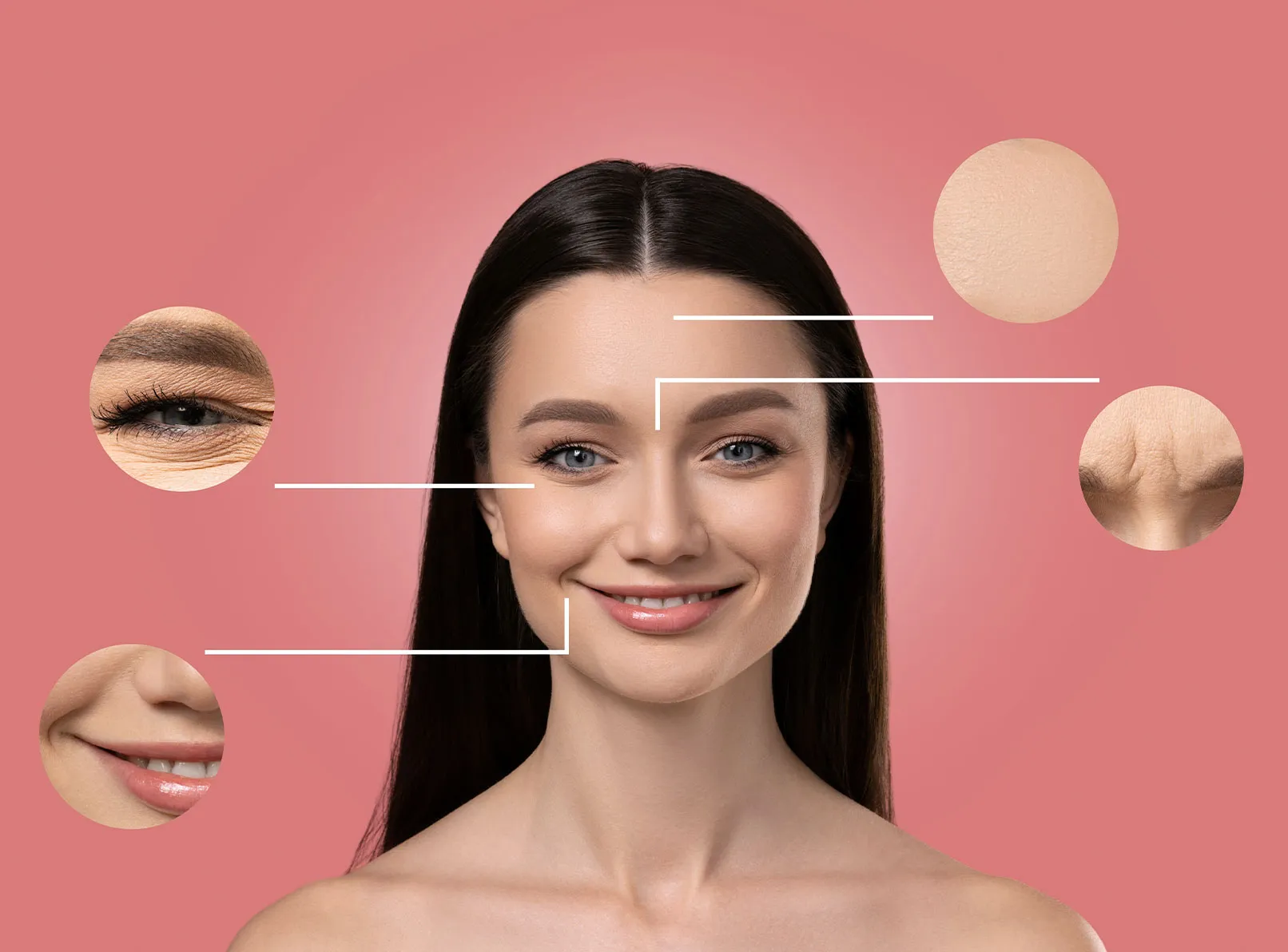
Oily skin tends to shine during the day and has enlarged pores. Excess sebum production makes this skin type more prone to acne. Dry skin generally feels tight, looks dull, and is prone to flaking; it requires hydration. Combination skin displays oiliness in the T-zone (forehead, nose, chin) while cheeks may be dry or normal.
Normal skin presents an ideal balance of oil and moisture, with smooth texture and less visible pores. Sensitive skin reacts quickly to environmental factors, temperature changes, and cosmetic products; redness and itching are common. According to data from the American Academy of Dermatology (AAD), individuals with sensitive skin are advised to prioritize hypoallergenic formulations in their product choices.
Simple At-Home Skin Type Test
If you cannot access a professional analysis, you can get a basic idea of your skin condition with easy at-home methods. The face-washing test allows you to observe your skin’s natural state.
Record your skin’s response during this test to start selecting suitable products. For precise and comprehensive results, however, seeking professional analysis from our experts will increase the success of your care routine.
What Happens to the Skin After Epilation?
Laser epilation and similar procedures deliver targeted heat to hair follicles but can cause temporary temperature elevation on the skin surface. This may transiently affect the skin’s natural protective layer — the barrier. Without proper post-treatment care, dryness or heightened sensitivity may develop. Correct application of post-epilation skin care steps helps accelerate recovery and reduce discomfort.
Male clients experience similar processes. Due to thicker hair structure and deeper follicles, post-epilation care for men routines are especially important for soothing.
Skin Barrier and Sensitivity Mechanisms
The skin barrier protects against environmental aggressors and prevents moisture loss. Energy applied during epilation can cause microscopic changes in this barrier. Studies published on NCBI indicate that compromised barrier integrity can increase transepidermal water loss. For this reason, repairing ingredients such as ceramides and hyaluronic acid are recommended in post-treatment care.
Common Reactions and Temporary Effects
Mild redness (erythema) and swelling around hair follicles (perifollicular edema) are expected temporary reactions. These typically resolve spontaneously within hours to a few days. Excessive dryness or itching may signal insufficient moisturization. The visual below illustrates common skin responses and recommended solutions.
Post-Epilation Care Recommendations Based on Skin Type
An effective skin type analysis and care plan makes the post-epilation process more comfortable. Tailored routines promote faster healing and smoother skin. The diagram below summarizes personalized care workflows for different skin types.
Using moisturizers compatible with skin renewal methods supports skin regeneration. Additionally, lymphatic drainage massage for skin care can assist in reducing swelling and enhancing recovery.
Soothing Care for Sensitive Skin
Sensitive skin may react more intensely to heat. After epilation, moisturizing gels containing aloe vera, chamomile extract, or panthenol are advisable. Avoid hot water and mechanical exfoliation, which may irritate the skin. Consistent use of sunscreen is essential for sensitive skin.
Balancing Routines for Combination and Oily Skin
Heavy creams may clog pores and cause breakouts in oily and combination skin types after epilation. Water-based, non-comedogenic moisturizers are ideal for these skin types. Lightweight lotions allowing the skin to breathe help maintain moisture balance while controlling excess oil.
Expert Tips to Strengthen the Skin Barrier
A strong skin barrier supports epilation results and overall skin health. Our specialists at Renew & Revive recommend professional skin care treatments alongside appropriate home care. Techniques like dermaroller in skin care, when conducted under professional supervision, can enhance skin regeneration capacity.
Common Mistakes and Misconceptions
Relying on hearsay in skin care can negatively impact the epilation process. For instance, exfoliating or sun exposure immediately after epilation may cause pigmentation. Even when using epilation for sensitive skin technologies, improper aftercare can stress the skin.
A frequent error is skipping moisturizers assuming oily skin does not need hydration. All skin types require moisture; the key is selecting the right formula. Another common mistake is plucking or waxing hairs after treatment, which can reactivate follicles and reduce treatment efficacy.
How to Create a Personalized Care Plan?
Every individual’s skin history is unique, and care plans should reflect this. Our personalized skin care programs are developed based on detailed analyses. These plans may cover facial as well as body care. For clients aiming at localized slimming and skin tightening, combined protocols compatible with epilation can be prepared.
To develop an effective plan, it’s important to define your skin type, lifestyle, and goals first. During consultations, our experts assess your skin history and current condition, then outline the most suitable roadmap. Remember, accurate skin type analysis and care recommendations are the key to healthy and radiant skin.
This content is provided for general informational and educational purposes only. It is not intended to replace professional medical advice, diagnosis, or treatment. If you have any concerns or issues regarding your skin health, please consult a dermatologist or a qualified healthcare professional. The services offered by Renew & Revive are for beauty and care purposes and do not constitute medical treatment. Results may vary from person to person due to individual differences in skin type. Do not delay seeking professional medical care based on this information.
Frequently Asked Questions
Answers to the most frequently asked questions about this content
How can I determine my skin type?
To determine your skin type, cleanse your face and wait for an hour without applying any products. If your skin feels shiny after an hour, it's oily; if it feels tight, it's dry; if only the T-zone is oily, your skin is combination; if it’s neither oily nor dry, your skin is normal. For a more accurate assessment, consider consulting a skin specialist.
Why does my skin become sensitive after hair removal and what should I do?
The heat energy used during hair removal can temporarily weaken the skin's barrier, causing sensitivity. To manage this, regularly moisturize your skin, use soothing gels, and protect the treated area from direct sunlight. If redness persists, it is advisable to consult a specialist.
Which skincare products are recommended for sensitive skin?
For sensitive skin, choose hypoallergenic products free from fragrances, alcohol, and harsh chemicals. Moisturizers containing soothing and repairing ingredients like aloe vera, ceramides, hyaluronic acid, and panthenol can be beneficial. It’s recommended to patch test new products on a small area inside the wrist before full use.
What measures can I take to strengthen my skin barrier?
To strengthen your skin barrier, cleanse gently using mild products and avoid hot water. Support your skin with moisturizers that contain ceramides, fatty acids, and niacinamide. Additionally, staying well-hydrated and maintaining a balanced diet are important to support the barrier from within.
Are there special care tips for combination skin?
Yes, combination skin requires balancing care tailored to different areas. Use oil-controlling products on the T-zone (forehead, nose, chin) while applying richer moisturizers to drier areas like the cheeks. Alternatively, you can use balancing products designed to be effective for the entire face.
