


Blog
Men’s Laser Hair Removal Areas: Detailed Guide and Map
Personal grooming has become an essential part of the modern man’s lifestyle. Traditional shaving methods often lead to time loss, skin irritation, and ingrown hairs, prompting many men to seek longer-lasting and more comfortable solutions. Awareness of male laser hair removal areas is increasing, with many wondering which parts of their body can benefit from this technology.
At Renew & Revive, we believe that laser hair removal tailored for men is not just an aesthetic choice but also crucial for hygiene and skin health. These treatments can be safely applied to almost all areas of the body, and when combined with the right technology and expert care, they enhance quality of life. For a full transformation, you may want to explore our full body male laser hair removal options for an overview of the process.
What Is Laser Hair Removal? What Does It Mean for Men?
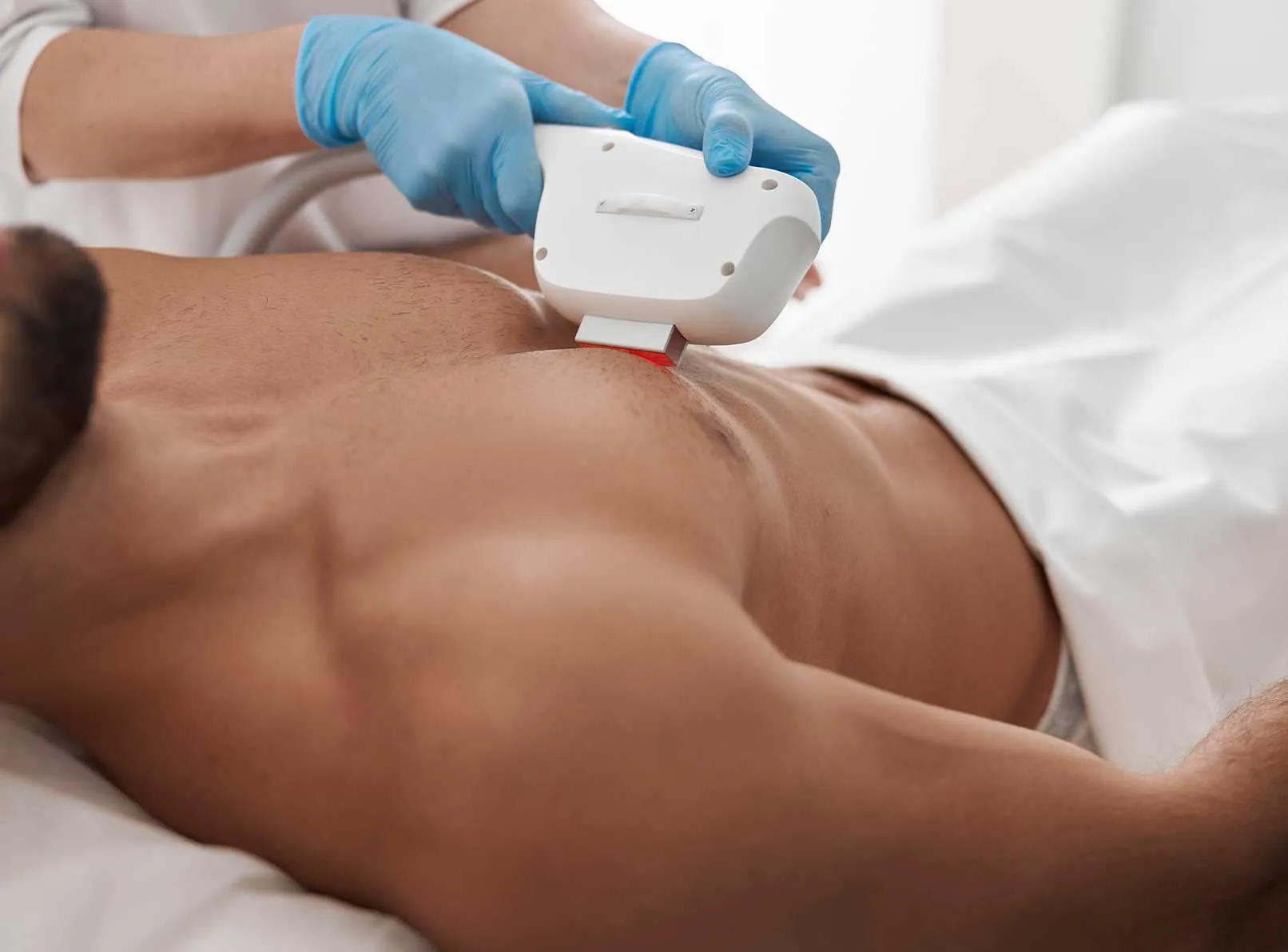
Laser hair removal works by emitting concentrated light energy that is absorbed by the melanin in hair follicles, converting to heat and damaging the follicle to reduce hair growth. For men, the goal is often not complete hair removal but thinning, reducing density, or reshaping hair in certain areas. It is particularly effective in addressing excessive hair in large areas such as the back or chest, which can cause sweating and hygiene problems.
Male hair tends to be thicker, with deeper and denser follicles compared to females. Therefore, energy levels and session intervals differ. Success depends on realistic expectations and proper preparation. Concerns and essentials before treatment are covered in our article on important considerations for male laser hair removal.
Areas Suitable for Laser Hair Removal on the Male Body
Laser hair removal can be applied to nearly every part of the male body except sensitive areas like the eyes and mucous membranes. Treatment areas are selected based on individual needs and aesthetic preferences. The image below illustrates the male body with the common laser hair removal zones indicated.
Face and Neck Area
One common complaint among men is skin irritation and ingrown hairs after shaving. Laser treatment on the face, especially to tidy up scattered hairs along the cheekbones or reduce ingrown hairs on the neck, is ideal. Beard laser hair removal focuses on defining and grooming the beard line rather than total removal.
The neck and nape are also popular areas to prevent irritation and rubbing from collars. Additionally, under-beard laser hair removal improves comfort in this delicate zone where shaving is difficult. Compared to female facial laser hair removal areas, male facial laser treatments primarily emphasize shaping and thinning rather than complete elimination.
Torso: Chest, Abdomen, and Back
The torso represents one of the largest areas treated in male laser hair removal. The male back laser hair removal is particularly requested as it is hard to reach and difficult to shave properly. Thick back hair can increase sweating and cause skin issues especially in warm seasons.
Preferences for chest and abdomen vary; some clients desire a completely smooth finish, while others prefer hair thinning for a natural look. At Renew & Revive, protocols are customized to fit both preferences.
Shoulders and Arms
Shoulders are typically treated alongside the back to create a harmonious, groomed appearance. The male shoulder laser hair removal helps eliminate unwanted hair visible when wearing T-shirts or tank tops. Arm treatments appeal especially to athletes or those uncomfortable with heavy arm hair. Options include half-arm or full-arm sessions.
Legs and Genital Area
Leg hair removal is common among athletes — swimmers and cyclists—increasing performance and easing massage treatments. Nowadays, more men pursue leg laser hair removal purely for aesthetic reasons. Genital area treatments focus on hygiene and comfort by reducing sweat, odor, and ingrown hair risks.
Pain Threshold and Sensitivity by Area
Pain experienced during laser hair removal depends on individual tolerance and the treated area. It is commonly described as a mild snapping or warm sensation. Bony areas and thin skin regions tend to be more sensitive than fleshy parts.
With advanced cooling technology used at Renew & Revive, discomfort is minimized. Similar to painless laser hair removal techniques for women, this technology ensures our male clients experience the procedure as comfortably as possible.
Device Selection Based on Skin Type: Which Technology is Best for Which Skin?
Success in male laser hair removal hinges on choosing a device suited to the hair and skin type. The depth of hair follicles and skin pigmentation guide the wave-length selection.
For example, Alexandrite lasers work well on fair skin with dark hair, whereas Nd:YAG or Diode lasers are preferred for darker skin tones or deeper follicles. Our specialists determine the safest and most effective option after a thorough assessment.
Important Precautions Before and After Laser Hair Removal
A successful laser hair removal experience extends beyond the treatment session itself. Proper skin preparation and aftercare reduce the risk of side effects.
The hygiene of the treatment environment and the quality of technology used are also integral.
Avoid hot showers, sun exposure, and use moisturizers in the first 24 hours after treatment. For detailed guidance, see our laser hair removal pre- and post-care guide.
Psychological and Social Effects of Laser Hair Removal
Removing unwanted hair not only provides physical relief but also improves self-confidence. Men experiencing social discomfort related to excessive hair in environments like beaches or gyms often find laser hair removal liberating.
Maintaining a groomed appearance helps create a positive image in both professional and social situations. To understand how laser hair removal can boost your well-being, read our article on the psychological impact of hair removal. Renew & Revive is committed to supporting you professionally throughout this journey.
This content is provided for informational purposes only and does not constitute medical advice, diagnosis, or treatment. Results of laser hair removal may vary depending on individual characteristics, skin type, and hair structure. It is strongly advised to consult a qualified dermatologist or authorized healthcare professional regarding any health concerns or before undergoing aesthetic procedures. Renew & Revive does not claim that the services offered are medical treatments. Do not delay seeking professional medical care based on this information.
Frequently Asked Questions
Answers to the most frequently asked questions about this content
Which areas are most commonly treated with laser hair removal in men?
In men, laser hair removal is frequently performed on the face (above the beard), neck, back, shoulders, chest, and abdomen. Hair density and skin type are important factors when choosing treatment areas. Consult a specialist for accurate information.
Can laser hair removal be performed on all parts of the male body?
Laser hair removal can generally be applied to most areas of the male body, except around the eyes and mucous membranes. Since skin structure and hair growth cycles vary by area, a professional assessment before treatment is essential.
Is laser hair removal painful for men?
The level of discomfort during laser hair removal varies depending on the person and the treatment area. Most report a mild stinging or burning sensation. Modern devices and cooling systems help improve comfort, but discuss your sensitivity with a specialist.
How permanent is laser hair removal for men?
Laser hair removal targets hair follicles to achieve long-lasting reduction. Typically, hair is reduced by 80-90%, though new fine hairs may emerge over time due to hormonal factors. Regular maintenance sessions help manage this.
What precautions should men take after laser hair removal?
Post-treatment skin may be sensitive. It is important to protect against sun exposure, use moisturizers, and avoid tight clothing. For the first few days, avoid hot baths and intense exercise. Follow professional advice for detailed care instructions.
