




Well-groomed hands and aesthetically pleasing nails are among the key elements that complement personal image and confidence. Today’s options in nail aesthetics cater to those seeking practicality without compromising on visual perfection. In particular, the combination of acrylic nails and gel polish is a preferred choice for people wanting to save time yet maintain impeccable nail care in a fast-paced modern lifestyle. At Renew & Revive, we have detailed the differences, advantages, and how to combine these popular treatments for you.
You might want to strengthen, lengthen your nails, or simply enjoy a polish that lasts without chipping. Both procedures address different needs but can deliver impressive results when combined. This guide provides all the information you need, from technical details to care routines, to help you make the right choice.
What Are Acrylic Nails and Gel Polish?
In the world of nail aesthetics, these two terms are often confused or used interchangeably; however, they fundamentally serve different purposes. To choose or combine the correct treatment, it is essential first to understand what each entails and which needs they meet. Built upon basic manicure and nail care foundations, these techniques become an art in professional hands.
Definition and Features of Acrylic Nails
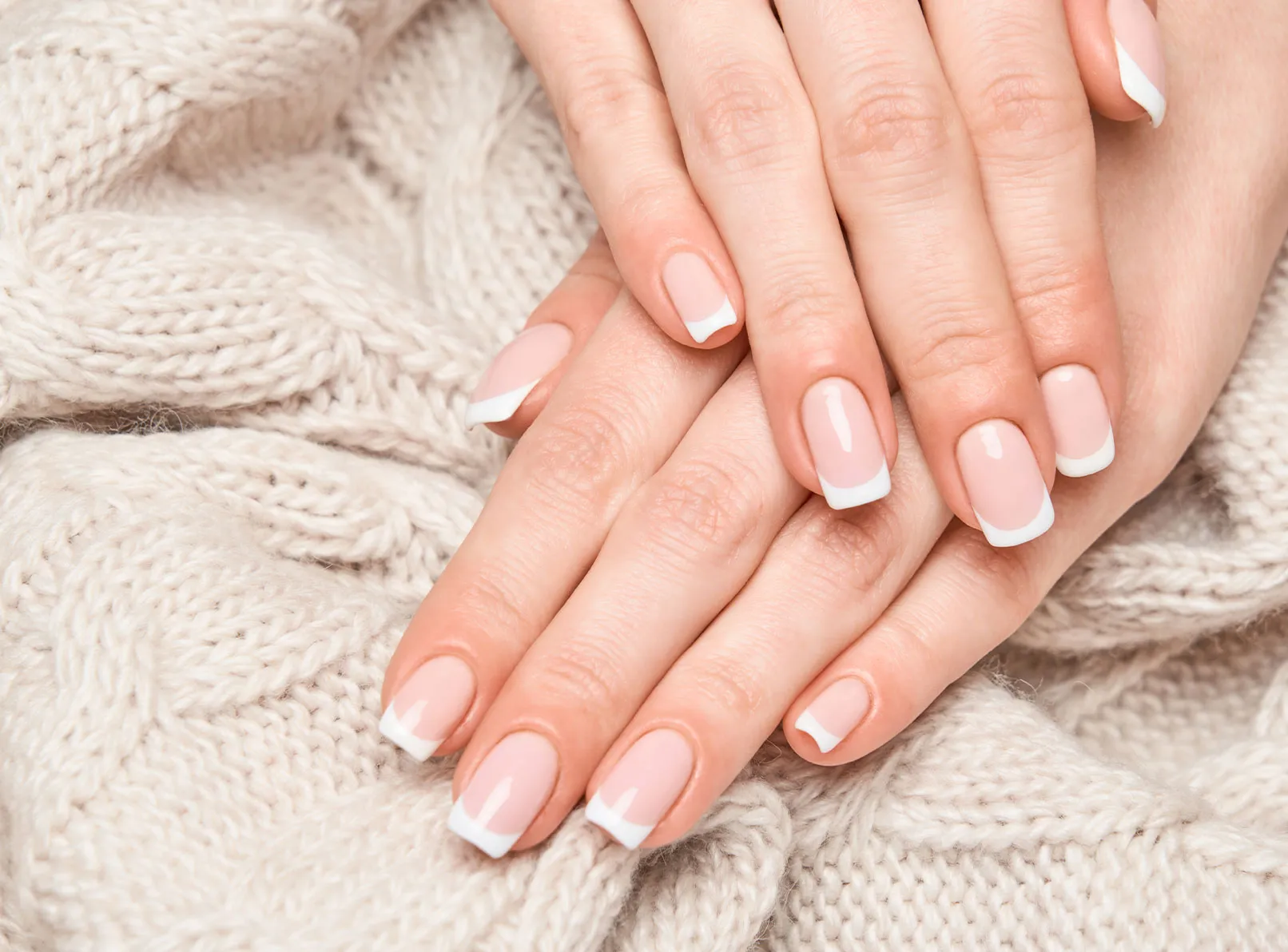
Acrylic nails are artificial extensions applied over the natural nail to lengthen, shape, and strengthen it. They are typically created using gel or acrylic materials. This solution is ideal for those who bite their nails, have slow-growing nails, or have fragile nails. Acrylic nails are built on the natural nail using a tip or mold and can be shaped to the desired length and style (almond, stiletto, square, etc.).
Definition and Features of Gel Polish
Gel polish is a type of nail polish applied directly on the natural nail without altering its length or shape. It is cured under specialized UV/LED lamps, making it far more durable than traditional polish, maintaining its shine and resisting peeling. It typically preserves its initial vibrancy for 2-3 weeks, offering great convenience for people with busy schedules.
Differences Between Acrylic Nails and Gel Polish
Clarifying the fundamental differences between these two treatments will help you select the service that best suits your expectations.
Application Techniques and Processes
The application methods, materials used, and techniques differ between the two. Acrylic nails require a comprehensive process: preparing the natural nail, applying a tip or mold, building with gel/acrylic materials, and filing to shape. This creates an entirely new architectural structure on the nail.
Gel polish application focuses more on painting and protecting the natural nail. The nail surface is buffed, followed by base coat application, layers of color polish, and finishing with a top coat. Each layer is cured under UV light to set the polish.
Duration and Durability
While both offer satisfactory durability, their maintenance intervals differ. Acrylic nails require infill treatments as the natural nail grows out, typically every 3-4 weeks. With regular upkeep, acrylic nails can last for several months. Meanwhile, gel polish generally needs to be renewed or removed every 2-3 weeks due to natural nail growth creating a gap at the cuticle area. Longevity may vary depending on nail growth rates and daily activities.
Combined Use: Gel Polish Over Acrylic Nails
Can these two treatments be used together? Absolutely. The combination of acrylic nails with gel polish is among the most popular aesthetic choices. After achieving the desired length and smooth surface with acrylic nails, gel polish is applied on top to deliver flawless color and shine.
Once acrylic nails are completed, the surface is smoothed out before moving on to gel polish application. Applying gel polish over acrylic nails results in longer-lasting color compared to natural nails because acrylic nails are rigid and prevent polish deterioration.
Benefits and Important Considerations
Every nail treatment has its advantages as well as critical points to keep in mind. Being informed when receiving gel polish services or acrylic applications helps protect the health of your nails.
Aesthetic and Practical Benefits
The major advantage of these treatments is consistently well-groomed nails. Concerns like polish chipping or nail breakage are reduced. Acrylic nails can also serve as a cosmetic barrier for people who bite their nails, supporting the cessation of the habit. A wide range of colors and designs lets you express your personal style.
Nail Health and Hygiene Warnings
Alongside aesthetics, nail health is paramount. Improper application or unsanitary conditions can lead to nail bed damage or infection risks. Therefore, it is essential to choose salons that adhere to strict personal care and skin health standards.
The quality of products used and expert experience are critical factors. It is important to emphasize proper care and moisturizing over the misconception that nails must “breathe” without coatings. Regular hydration of hands and cuticles is recommended as part of skin and nail health care advice. Authoritative sources such as the Turkish Dermatology Association (https://www.turkdermatoloji.org.tr/) underline the importance of hygiene in nail treatments.
Renew & Revive’s Approach to Safe Application
At Renew & Revive, hygiene and quality are our priorities in all nail services. Our expert team analyzes your nail structure to recommend the best treatment. Our sterilization processes meet medical-grade standards with meticulous care.
We also offer comprehensive care including pedicure and gel polish combinations and other esthetic treatments, aiming to leave you feeling renewed from head to toe. In our acrylic nail and gel polish applications, we use only top-quality products to achieve your desired look without compromising health.
This content is provided for general informational purposes only. The services offered by Renew & Revive fall within beauty and personal care and do not constitute medical diagnosis, treatment, or medical aesthetic procedures. For nail diseases or serious health issues, please consult a licensed physician. Results of the treatments may vary from person to person.