


Blog
Does Genital Laser Hair Removal Hurt? Comfort with Smart Diode
Personal hygiene and care of the genital area are essential components of overall cleanliness. Traditional hair removal methods such as waxing and shaving often lead to ingrown hairs, irritation, and the need for frequent repetition, prompting many to seek a more permanent solution. Naturally, the key question arises: Does genital laser hair removal hurt? This concern can be a major barrier to achieving comfortable, lasting smoothness. At Renew & Revive, we strive to make this process as comfortable as possible thanks to advanced technology and expert care.
Innovations in laser hair removal have significantly reduced the “rubber band snap” sensation associated with older devices. In particular, Smart Diode technology minimizes pain perception with its skin-protecting and cooling mechanisms. This article transparently discusses the comfort level of genital laser applications, factors influencing pain, and how the process works. Our goal is to help you overcome your fears with accurate information and to help you feel better through the psychological benefits of laser hair removal.
Does Genital Laser Hair Removal Hurt?
Given the genital area’s sensitivity, it’s natural to worry about pain. However, pain is subjective and varies significantly depending on the method used. Traditional approaches like waxing or epilators pull hair from the root with force, potentially causing sharp, immediate pain and skin trauma. By contrast, laser hair removal applies controlled thermal energy directly to the hair follicle.
Modern devices are designed to deliver this heat without damaging the surrounding skin. Our genital laser hair removal services prioritize your comfort during treatment. Most users describe the sensation as a “mild tingling” or “brief warmth.” Compared to waxing, this sensation is much more tolerable.
Treatments performed in hygienic environments by experienced professionals also add psychological reassurance.
How Much Does It Actually Hurt?
Pain level depends not only on the device but also on individual biological factors and current conditions. Thanks to technological advancements, laser hair removal is no longer an “unavoidable painful procedure” but a comfortable part of a personal care routine. A comparative overview clarifies how different laser technologies affect discomfort.
Why Is Personal Pain Threshold Important?
Everyone’s nervous system and skin sensitivity differ. What feels like a mosquito bite to one person may be more noticeable to another. Given the dense nerve endings in the genital area, it tends to be more sensitive than other parts of the body. Hormonal fluctuations during menstrual cycles can also increase skin sensitivity. Thus, timing and individual condition directly influence comfort. Our experts tailor device settings to your personal pain threshold for optimal comfort.
The Difference with Smart Diode Cooling Laser
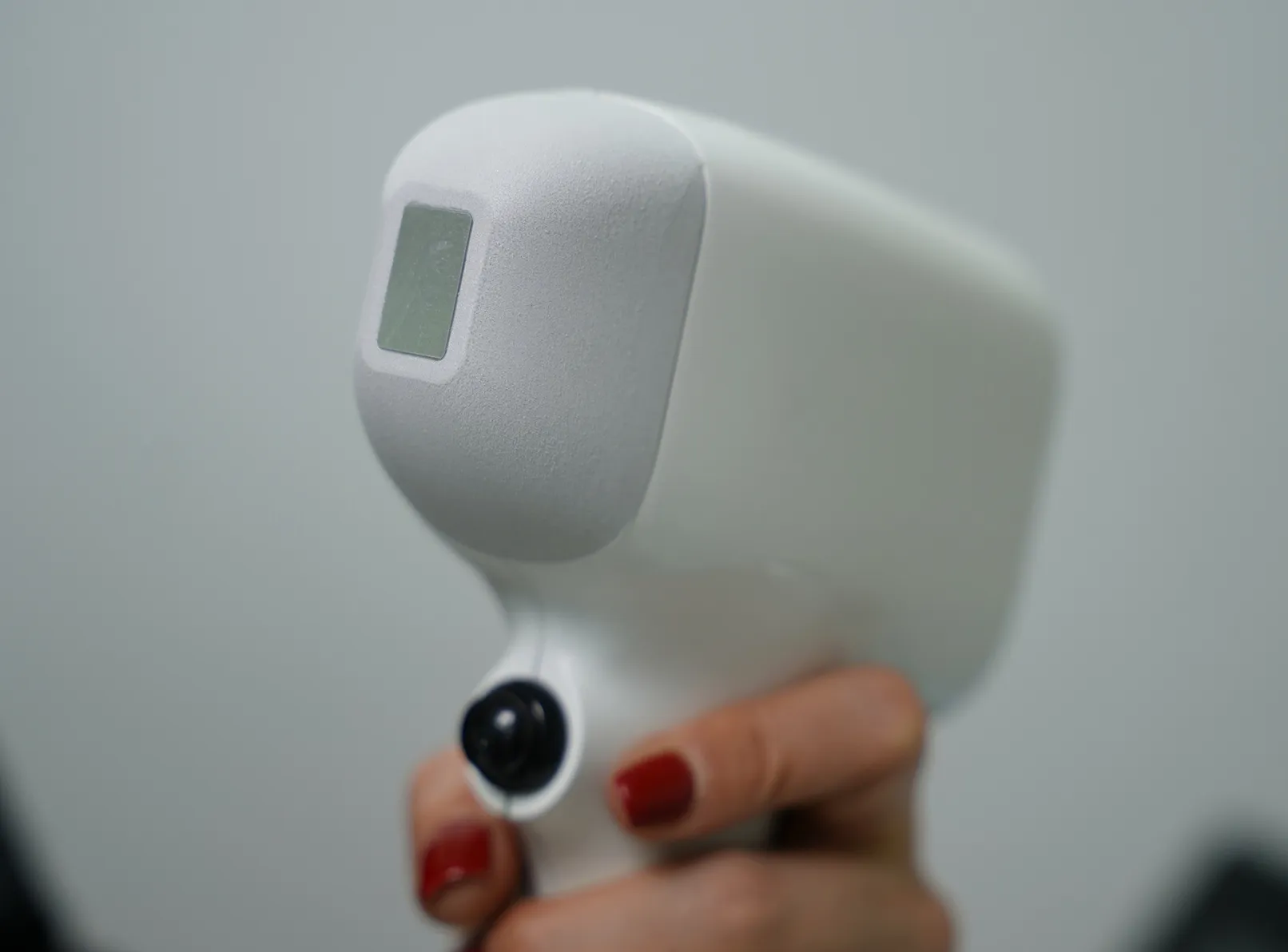
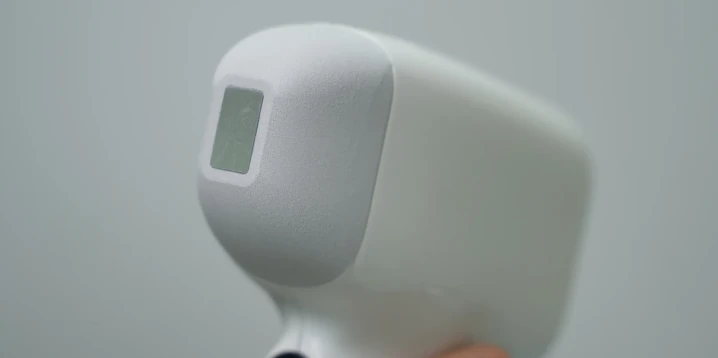
The key to minimizing pain is to keep the skin surface cool. The Smart Diode cooling laser technology cools the skin upon contact down to -3 degrees Celsius. This instant cooling effect balances the heat generated by the laser pulse and suppresses nerve stimulation, resulting in a sensation of coolness rather than pain during treatment.
This technology protects the skin even when high energy is required to treat darker, thicker hair.
How to Reduce Discomfort?
You can significantly enhance your comfort during laser hair removal. Simple precautions before and during treatment, combined with painless women's laser hair removal techniques, create a more pleasant experience. Similar comfort standards apply to our men's genital laser hair removal services.
Preparation Recommendations Before Treatment
A comfortable session starts with proper preparation. Shaving with a razor one day before treatment allows the laser to focus directly on the follicle and reduces the risk of skin surface burns. Ensuring the skin is clean, dry, and free from cosmetic residues is crucial. Also, avoiding treatment immediately before or during menstruation is recommended due to increased sensitivity. Detailed preparation guidelines are available on our pre- and post-epilation care recommendations page.
Comfort Enhancements During Treatment
Maintaining communication with your specialist during the session is essential to adjust settings if any discomfort arises. Breathing exercises and relaxing muscles can also lower pain perception. Proper contact between the cooling head and skin enhances the cooling effect and comfort.
Is Post-Treatment Sensitivity Normal?
Mild redness or pinkness in the genital area after treatment is a normal response, indicating follicle reaction to laser energy. This usually resolves within a few hours. To soothe the skin, moisturizers or aloe vera gels may be applied. Avoid hot showers and tight clothing for the first 24 hours to prevent irritation.
Who Might Not Be Suitable for the Treatment?
Although laser hair removal is generally safe, some conditions make it inadvisable. Pregnant or possibly pregnant women should avoid treatment. Active cold sores, infections, or open wounds in the genital area require postponement. Individuals on photosensitizing medications (e.g., certain acne treatments) should consult our experts on selecting the appropriate laser method. Sharing your medical history fully with your specialist is crucial for safety. For more scientific information, visit resources such as the American Academy of Dermatology (AAD) or the Ministry of Health.
Conclusion
The question, does genital laser hair removal hurt, is no longer a barrier thanks to evolving technologies. At Renew & Revive, we combine Smart Diode technology with expert care to ensure hygiene and comfort throughout your experience. Investing in yourself with this method will save time and improve quality of life in the long term.
This content is intended for general informational purposes only and does not constitute medical advice, diagnosis, or treatment. Laser hair removal results may vary from person to person due to individual differences. It is recommended that you consult with a qualified physician or authorized aesthetic specialist to assess your suitability before undergoing any aesthetic procedure. Renew & Revive does not claim that the services provided are medical treatments. Do not delay seeking professional medical care based on the information provided.
FAQ
Answers to the most frequently asked questions about this content
Does laser hair removal in the genital area really hurt?
Modern laser hair removal technologies, especially devices with advanced cooling systems like Smart Diode, cause minimal pain. You might feel a slight stinging or warmth during the procedure, but it is generally tolerable. However, consult a specialist to assess your personal pain threshold.
What is the difference between Smart Diode ice laser hair removal and regular laser hair removal?
Smart Diode ice laser uses integrated cooling technology that keeps the skin consistently cool, raising the pain threshold and making the treatment more comfortable. Regular laser devices may offer less comfort and can cause more intense pain sensations.
What should I do before genital laser hair removal to reduce pain?
It’s important that the area is clean and dry before treatment. Always consult your practitioner about using numbing creams or other pain-relief methods. Keeping your skin moisturized can also help.
Will there be sensitivity or redness in the genital area after laser hair removal?
Yes, mild redness and sensitivity after the procedure are normal and usually subside within a few hours. It is important to moisturize the skin and avoid direct sunlight for the first few days. If you have any concerns, be sure to contact your specialist.
Who should avoid genital laser hair removal?
Pregnant or breastfeeding women, individuals with certain skin conditions (such as active infections), those taking photosensitive medications, or people with some chronic illnesses may not be suitable candidates. Always consult a specialist for a detailed assessment and personalized advice.
