
Blogs
Is Laser Hair Removal Harmful? Expert Scientific Insights
Contents
- What is Laser Hair Removal? How Does It Work?
- Is Laser Hair Removal Harmful? A Scientific Perspective
- Does Genital Laser Hair Removal Cause Infertility?
- Is Ice Laser Harmful? Differences and Safety Profile
- Possible Side Effects and Risks of Laser Hair Removal
- Post-Treatment Care for Laser Hair Removal
- Expert Opinion and Medical Disclaimer
Laser hair removal has become an essential part of many beauty and personal care routines, preferred by millions for its convenience and long-lasting results. However, along with its popularity, numerous concerns and myths about its safety have arisen. Questions like "Is laser hair removal harmful?", "Does it cause infertility?" or "Does it trigger skin cancer?" are among the most common worries for those considering the procedure. At Renew & Revive, we aim to clarify these concerns with scientific data and expert opinions.
The safety of laser hair removal depends directly on the technology used, the expertise of the practitioner, and hygiene standards. Scientific research shows that when performed with correct parameters, the procedure is safe. In this guide, we will transparently cover everything from how laser technology works to potential risks, dispelling common misconceptions based on scientific sources.
What is Laser Hair Removal? How Does It Work?
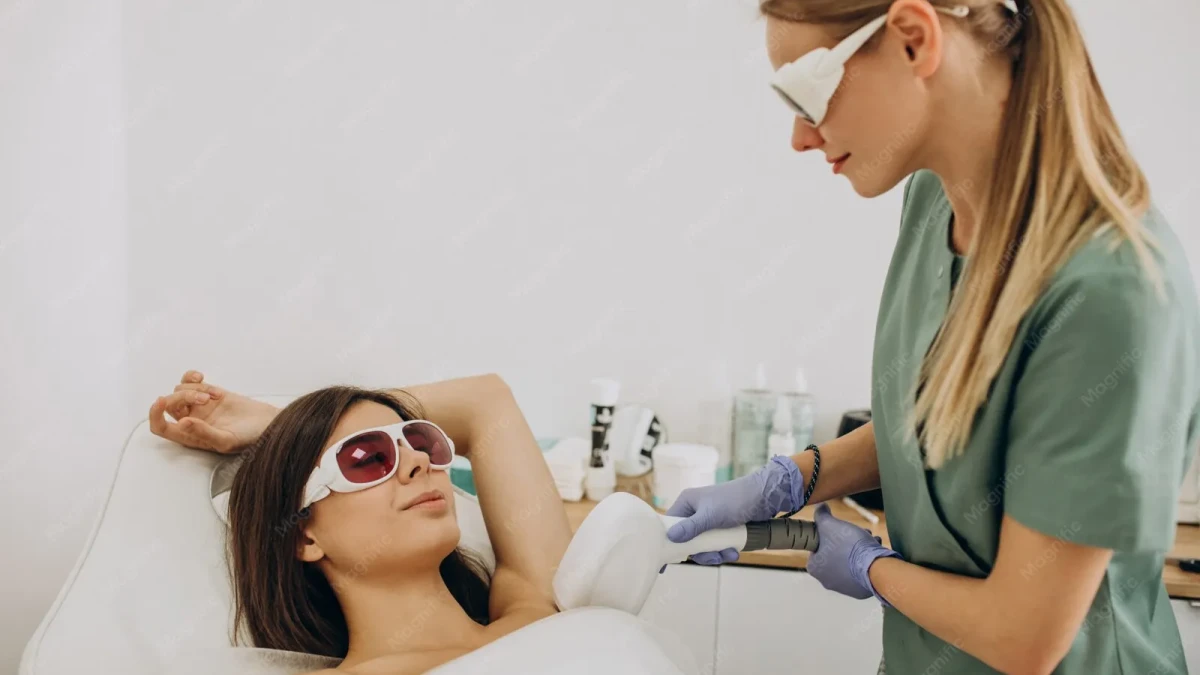
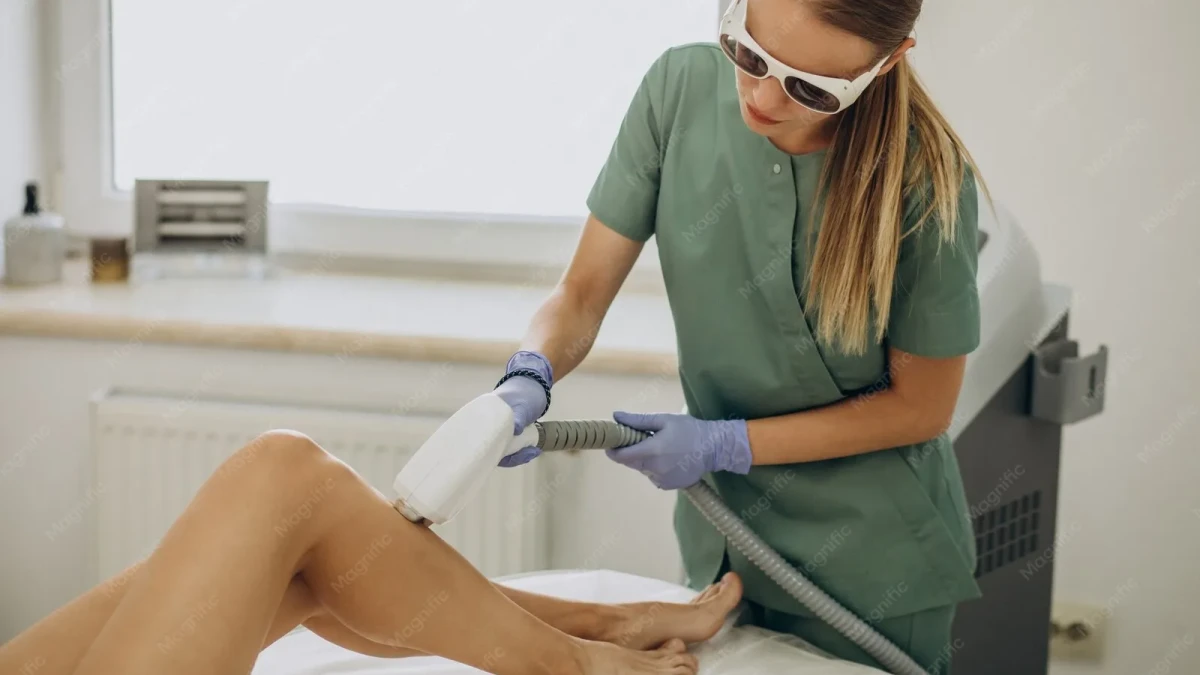
Laser hair removal operates on the principle of "selective photothermolysis." This method involves concentrated light energy (laser) being absorbed by the melanin pigment in hair follicles, transforming into heat energy that destroys the follicle. The goal is to target hair follicles without damaging the surrounding skin tissue.
Is Laser Hair Removal Harmful? A Scientific Perspective
The most authoritative bodies on laser hair removal safety, such as the FDA (U.S. Food and Drug Administration) and the AAD (American Academy of Dermatology), confirm that when performed correctly, laser hair removal is both safe and effective. Scientifically, the laser beams fall under the category of “non-ionizing” radiation. This means laser beams do not carry enough energy to mutate cellular DNA.
Safety concerns are heightened among individuals with sensitive skin or younger patients. Our laser hair removal options for young people are designed with gentle parameters suited for developing skin. The claim that laser damages internal organs is unfounded; laser light only penetrates to the dermis layer, mere millimeters deep.
Does Genital Laser Hair Removal Cause Infertility?
One of the most common and worrying myths around laser hair removal relates to genital treatments causing infertility. However, this claim contradicts anatomical and physical facts. Laser beams only penetrate a few millimeters below the skin surface, targeting hair follicles in the dermis. Internal organs such as ovaries, uterus, or testes lie much deeper and are protected by muscle and fat tissue.
The devices used in our female genital laser hair removal treatments control laser spread carefully, avoiding damage to surrounding tissue. Similarly, male genital laser hair removal has not been reported to negatively affect testes or reproductive function. No clinical studies link laser hair removal to infertility.
Is Ice Laser Harmful? Differences and Safety Profile
Ice laser, offering a more comfortable experience compared to traditional methods, has safety advantages. Its specialized cooling system lowers the skin temperature to -3°C during treatment, reducing heat and discomfort while minimizing the risk of burns.
Our Smart Diode Ice Laser technology works using a gliding technique that delivers energy gradually, preventing sudden heat spikes and reducing skin trauma.
Possible Side Effects and Risks of Laser Hair Removal
As with any medical aesthetic procedure, laser hair removal may cause some temporary side effects. These are usually mild and resolve quickly. Common reactions include slight redness (erythema), swelling around hair follicles (perifollicular edema), and temporary sensitivity in treated areas.
Rarely, improper device selection or application errors can lead to burns or pigmentation changes (hyperpigmentation or hypopigmentation). Expertise is especially critical for facial treatments or male beard laser hair removal. To protect skin health, pre-treatment assessment of current skin conditions and supportive innovative skincare solutions to strengthen the skin barrier may be necessary.
Post-Treatment Care for Laser Hair Removal
Post-procedure care is as important as the safety of the treatment itself to maintain healthy skin. Skin becomes more sensitive to UV radiation after laser hair removal. It is essential to protect treated areas from direct sunlight and use high SPF sunscreen. For the first 24 hours, avoid hot water, saunas, and environments that may irritate the skin.
Use the checklist below to help follow proper aftercare and reduce potential risks.
For detailed tips and care advice, visit our pre- and post-epilation care recommendations page. Proper care minimizes side effects and maximizes treatment effectiveness.
Expert Opinion and Medical Disclaimer
When performed by qualified professionals using appropriate equipment, laser hair removal is a highly safe procedure that can enhance quality of life. At Renew & Revive, we prioritize client health and safety across all processes. Our treatments comply with hygiene standards and are customized for each individual.
The information provided here is based on the latest scientific data and publications from dermatology authorities (FDA, AAD, Turkish Dermatology Association). However, every person’s skin and health background are unique. Before undergoing any aesthetic procedures, especially if you have chronic conditions or skin disorders, consulting a specialist is strongly advised.
This content is for general informational purposes only and does not replace medical advice, diagnosis, or treatment. Results of laser hair removal may vary by individual. For any health concerns or questions, please consult a dermatologist or qualified healthcare professional. Renew & Revive is not a medical institution and provides services within the scope of beauty and personal care.