


Blog
Men's Back Hair Removal: Complete Guide for Shoulders & Neck
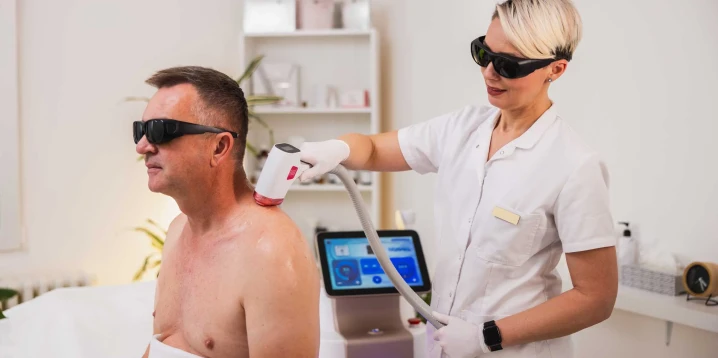
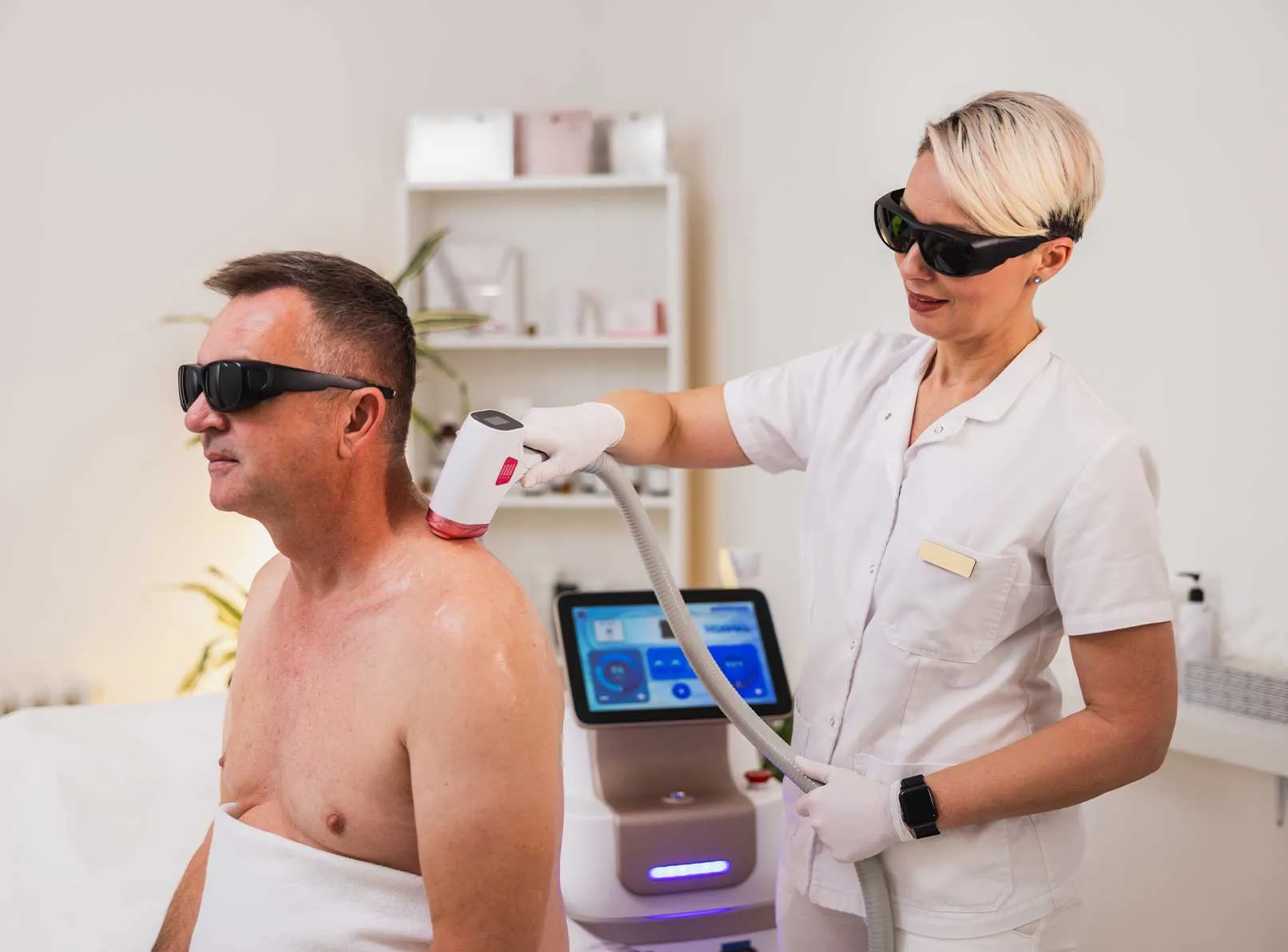
In modern personal care, men’s aesthetic and hygiene standards are evolving rapidly. Particularly, male back hair removal treatments offer practical and aesthetic benefits for those experiencing dense hair growth. Unwanted hair on the back, shoulders, and nape can cause sweating and hygiene concerns, but with advances in laser technology, effective and lasting solutions are now available.
At Renew & Revive, we prioritize comfort and efficacy in hair removal plans tailored specifically to our male clients. This guide explores laser hair removal methods, technologies, and process details for the back, shoulders, and nape, aiming to support informed decisions and guide you towards a healthier appearance.
Overview of Back, Shoulder, and Nape Hair Removal for Men
Hair density and distribution on men vary due to genetic and hormonal factors. The back, shoulders, and nape generally present some of the thickest and most resistant hair growth areas. Hair removal in these zones addresses not only aesthetic concerns but also enhances skin health.
To better understand hair pattern and treatment zones on the male body, the following visual reference can be considered.
Why is Back and Shoulder Hair Removal Important for Men?
Excess hair on the back and shoulders may contribute to increased sweating and unpleasant odors, especially during warm weather or physical activity. These areas are also prone to ingrown hairs (pseudo-folliculitis). Our professional male back laser hair removal services help alleviate these issues by allowing the skin to breathe more freely.
From an aesthetic perspective, smoothness on the back and shoulders accentuates body contours and can boost self-confidence. Similarly, male shoulder laser hair removal helps manage uneven hair distribution around the shoulder line, creating a more polished transition.
Benefits of Nape Hair Removal
The nape area plays a key role in maintaining a neat hairline and completing overall appearance. Irregular hair growth here can look untidy. Our male nape laser hair removal service sharpens the neckline and lessens frequent shaving needs, while also preventing collar irritation, enhancing daily comfort.
What to Expect from the Laser Hair Removal Process for Men
Laser hair removal works by targeting melanin in the hair follicles, using heat energy to damage roots and reduce growth. Male hair follicles are typically coarser and deeper than female follicles, which can affect treatment dynamics.
Session Length & Number
Treatment times and the number of sessions vary individually for large, dense areas like the back, shoulders, and nape. Back sessions generally last 30–45 minutes, while shoulder and nape treatments take less time. Due to male hormonal factors, an average of 6 to 10 sessions is often required. Similar session patterns are observed in male arm laser hair removal, where hair density primarily dictates scheduling.
According to the American Academy of Dermatology (AAD), laser hair removal offers long-lasting hair reduction but ongoing maintenance sessions may be necessary for sustained results (Source: aad.org).
Pre- and Post-Treatment Skincare
The success of laser hair removal and skin health depends heavily on following pre- and post-care guidelines. The checklist below details recommended steps for an optimal recovery.
Post-treatment skin hydration and sun protection are essential. Additionally, benefits of lymphatic drainage massage can support fluid elimination and circulation, contributing to faster skin recovery.
Laser Technologies Used: Which Systems Are Preferred?
The choice of laser technology that matches hair type and skin tone directly influences treatment effectiveness. Available options differ mainly by wavelength and suitability.
Alexandrite, Diode, and Nd:YAG Compared
- Alexandrite Laser: Effective on lighter skin tones with dark hair but may not fully address deeply rooted hair on male backs alone.
- Diode Laser: Preferred for male back and shoulder hair due to deeper penetration. Suitable across all skin types.
- Nd:YAG Laser: Designed for darker skin tones, targeting roots without damaging the epidermis.
Technology selection, as with arm laser hair removal services, should be made following expert evaluation.
Selecting Technology Based on Skin Type
Each person’s skin tone and hair characteristics are unique. Incorrect device choice can lead to burns or ineffective results. For example, as seen in upper leg laser hair removal information, Nd:YAG or Diode lasers are safer than Alexandrite on tanned skin. Mayo Clinic emphasizes that laser hair removal performed with devices suited to the skin type is a safe procedure (Source: mayoclinic.org).
Area-Specific Approaches: Back, Shoulder, and Nape
The anatomical differences of these areas necessitate tailored treatment approaches. The back has thick skin and deep follicles, while the nape requires a more delicate technique.
Aesthetic improvements can be complemented with body contouring treatments post-epilation. For instance, smoothened skin combined with magic shape localized slimming therapies can enhance a fitter, athletic look. The accentuation of back and shoulder muscle lines is among the visual benefits of hair removal.
In summary, male back, shoulder, and nape hair removal forms an important part of modern grooming routines. With appropriate technology, expert application, and regular sessions, reducing unwanted hair and enhancing quality of life can be achieved.
This content is provided for general informational purposes only and does not constitute medical advice, diagnosis, or treatment. Results from laser hair removal and other aesthetic procedures may vary based on individual factors. You should always consult a dermatologist or qualified healthcare professional regarding any health concerns or skin conditions. Renew & Revive is not liable for any outcomes resulting from the use of the information provided. Do not delay seeking professional care based on this content.
Frequently Asked Questions
Answers to the most frequently asked questions about this content
Why is back hair removal preferred for men?
Back hair removal for men is often chosen to reduce dense hair growth, control excessive sweating and odor, prevent ingrown hairs, and achieve a cleaner, more aesthetic appearance.Back hair removal for men is often chosen to reduce dense hair growth, control excessive sweating and odor, prevent ingrown hairs, and achieve a cleaner, more aesthetic appearance.
Is laser hair removal a permanent solution for the back, shoulders, and neck?
Laser hair removal targets hair follicles to significantly reduce hair growth and provide long-lasting results. While complete hairlessness is not guaranteed, hairs become finer and sparser. Maintenance sessions may be necessary for lasting effects.Laser hair removal targets hair follicles to significantly reduce hair growth and provide long-lasting results. While complete hairlessness is not guaranteed, hairs become finer and sparser. Maintenance sessions may be necessary for lasting effects.
How many sessions are needed for back, shoulders, and neck hair removal?
The number of sessions varies depending on hair density, color, skin type, and the laser technology used. Typically, men can expect satisfactory results after 6 to 10 sessions.The number of sessions varies depending on hair density, color, skin type, and the laser technology used. Typically, men can expect satisfactory results after 6 to 10 sessions.
How should skin be cared for after laser hair removal?
After treatment, protect your skin carefully from the sun using a high SPF sunscreen. Avoid hot water exposure for the first 24 hours, refrain from abrasive treatments like scrubs, and apply moisturizer as recommended by your specialist.After treatment, protect your skin carefully from the sun using a high SPF sunscreen. Avoid hot water exposure for the first 24 hours, refrain from abrasive treatments like scrubs, and apply moisturizer as recommended by your specialist.
Does laser back hair removal hurt?
During laser hair removal, you may feel a brief sensation similar to a rubber band snap. However, modern cooling technologies minimize discomfort. Pain sensitivity varies from person to person.
