


Blog
Laser Hair Removal: Essential Info and FAQs

Laser hair removal has become an essential part of beauty and personal care routines, offering a modern and effective solution for managing unwanted hair. Unlike traditional methods, this treatment targets hair follicles to provide long-lasting smoothness. When performed with the right technology and by experienced professionals, it can improve quality of life. At Renew & Revive, we understand that each individual’s skin and needs are unique, and we guide you through the most comfortable process possible.
Laser hair removal is not only an aesthetic choice but also an important investment in hygiene and time-saving. With technological advancements, the variety of devices suitable for different skin types and hair structures has expanded, enhancing the procedure’s safety and accessibility. This comprehensive guide covers the treatment process, technologies used, and key points to consider.
What Is Laser Hair Removal and How Does It Work?
Laser hair removal works by directing concentrated light energy (laser) to hair follicles, where it converts into heat, damaging the cells responsible for hair growth. This principle is called selective photothermolysis. The laser light is absorbed by the melanin pigment in the hair, focusing only on the follicle without damaging surrounding tissues.
The effectiveness depends on the hair growth phase (anagen, catagen, telogen). Laser targets hair most effectively during the active growth phase (anagen). Therefore, multiple sessions are necessary to treat all hair follicles as they cycle through this phase to achieve permanent results.
Laser Hair Removal Methods and Device Types
Choosing the appropriate device based on skin type and hair color is one of the most critical factors for successful laser hair removal. Using the wrong device may result in ineffective treatment or unwanted skin effects. Hence, understanding how to select the right hair removal method is crucial.
Comparing Alexandrite, Diode, and Nd:YAG Lasers
The three main laser technologies widely used in the industry are Alexandrite, Diode, and Nd:YAG lasers.
- Alexandrite Laser: Operates at a 755 nm wavelength. Typically preferred for lighter skin tones with dark hair due to its high melanin absorption. It requires caution on tanned or darker skin. Its large spot size enables quick sessions.
- Diode Laser: Works at 810 nm wavelength and penetrates deeper. It can safely be used on medium skin tones and areas like the face, back, and arms. It is also effective on finer hairs.
- Nd:YAG Laser: Has a 1064 nm wavelength with the lowest melanin absorption, making it the safest choice for darker skin types (Fitzpatrick skin types V-VI). It may be slightly more uncomfortable compared to other lasers.
Smart Diode Technology
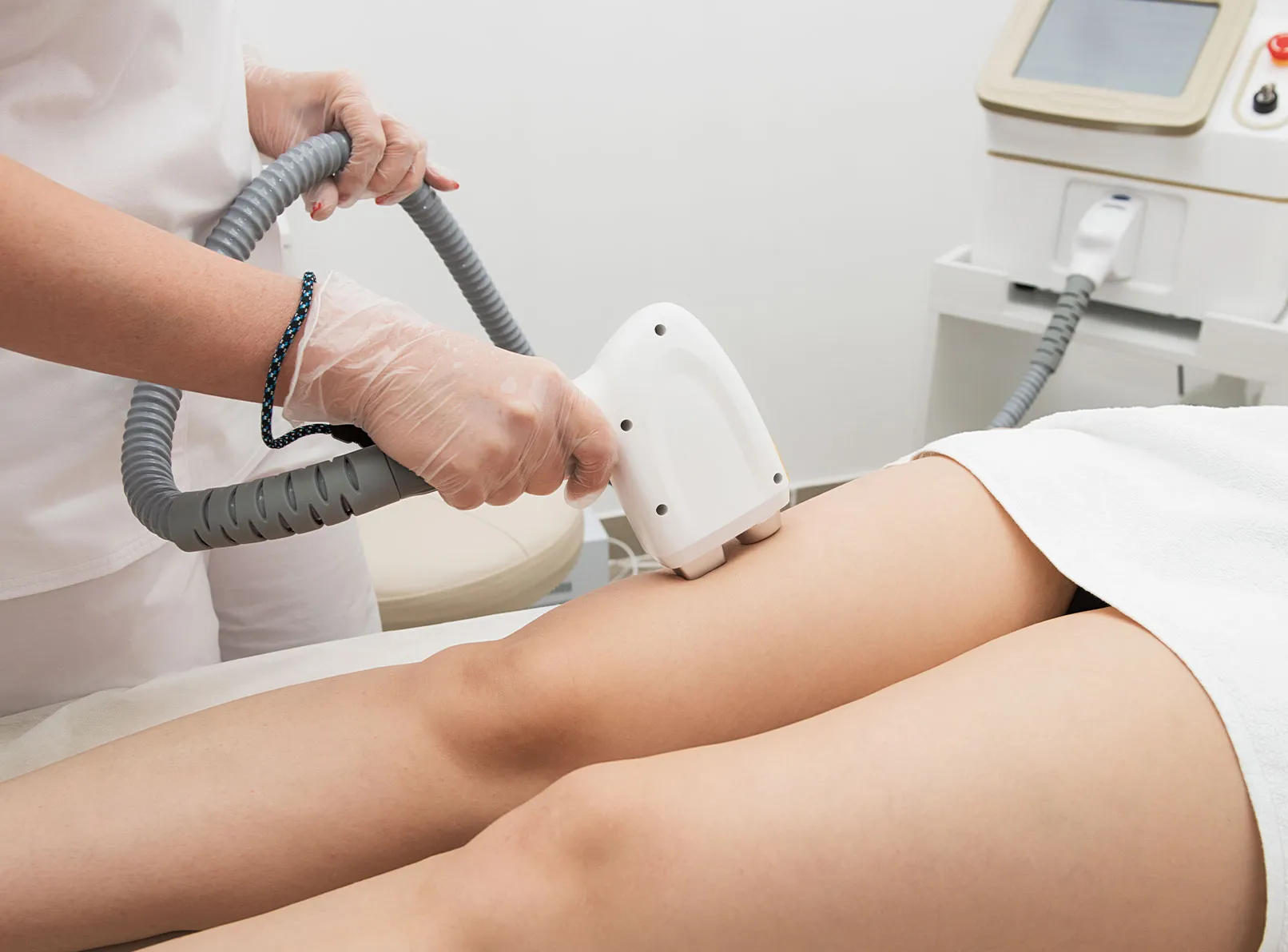
Beyond traditional methods, new generation technologies prioritize comfort. The Smart Diode Ice Laser technology features advanced cooling heads that protect the skin surface and minimize pain. Known as the ironing technique, this method involves moving the laser head over the skin while gradually delivering energy. This reduces the risk of burns and provides a massage-like treatment experience.
Suitable Treatment Areas
Laser hair removal can safely be performed on almost all areas of the body except around the eyes. Treatment areas and approaches may differ between women and men.
- Face: Upper lip, chin, and sideburns. Facial hair is often influenced by hormones, so more sessions may be required depending on the individual.
- Body: Underarms, legs, arms, and bikini area are common sites. Especially for women, full-body laser hair removal packages provide comprehensive smoothness.
- Men’s Specific Areas: Popular zones include the back, chest, shoulders, and beard area. Our men’s beard laser hair removal service addresses razor burn and ingrown hairs. Diode lasers are commonly used for large, deeply rooted hair on the back (men’s back laser hair removal).
Laser Hair Removal Process: Number of Sessions and Steps
A successful treatment requires consistent follow-up sessions. The number of sessions varies by age, hormonal status, hair density, and treatment area.
Typically, 6-8 sessions are sufficient for body areas, and 8-10 sessions for the face. Session intervals depend on hair cycles: 6-8 weeks for body and 4-6 weeks for face.
Who Is Suitable for Laser Hair Removal and Who Is Not?
Laser hair removal is suitable for most individuals who have completed adolescence without serious health issues. However, safety and effectiveness depend on several criteria.
Not Recommended For:
- Pregnant women (due to lack of sufficient clinical studies).
- Individuals undergoing cancer treatment or using photosensitizing medications (e.g., isotretinoin).
- People with active infections, open wounds, or cold sores at the treatment site.
- Persons with white, grey, or very light blond hair (due to low melanin, laser cannot target these effectively).
- Epileptics (due to possible seizure triggers from light pulses).
Pre- and Post-Treatment Care Guidelines
Following specific care instructions before and after the procedure is essential for maximizing results and preserving skin health. For detailed advice, please visit our pre- and post-treatment care guidelines.
Important Reminders:
- Before: Stop hair removal methods that remove hair from the root (waxing, plucking) at least 3 weeks before; only shaving or trimming is allowed. Avoid solarium and sunbathing.
- After: Avoid hot water exposure (showers, saunas) for the first 24 hours. Use high SPF sunscreen if exposed to sunlight. To support skin renewal and prevent ingrown hairs, treatments such as organic peeling can be applied with expert approval.
Possible Side Effects and Risks
When performed by experts using appropriate devices, laser hair removal is generally safe. However, some temporary side effects may occur.
- Redness and Swelling: Mild swelling and redness around hair follicles (perifollicular edema) are common and usually subside within hours.
- Sensitivity: Temporary tingling or burning sensations may occur.
- Skin Color Changes: Rarely, temporary hyperpigmentation or hypopigmentation can appear. These risks increase with treatment on tanned skin.
Serious complications such as burns or scars generally result from incorrect device settings or inexperienced practitioners. Avoid unregulated providers to ensure safety.
Factors Affecting Laser Hair Removal Costs
The prices for laser hair removal vary based on several factors:
1. Treatment Area: Larger areas like full legs or back cost more than smaller areas such as underarms.
2. Device Technology: Using advanced devices (e.g., latest ice laser technology) may influence costs.
3. Number of Sessions: Packages are usually more economical than single sessions.
4. Service Quality: Clinic hygiene standards, staff expertise, and additional services impact pricing.
Conclusion: Recommendations for Informed Choices
Laser hair removal is a valuable tool for personal care, offering comfort and confidence. Achieving smooth skin is not only a physical change but also has positive psychological effects. To enhance your treatment journey, consider complementary body contouring methods such as Magic Shape leg slimming or G5 massage for cellulite reduction.
At Renew & Revive, your health and satisfaction are our priorities. We are here to provide safe, effective, and personalized laser hair removal solutions.
The content provided by Renew & Revive is for general informational purposes only and does not constitute medical advice, diagnosis, or treatment. Laser hair removal and other aesthetic procedures are considered personal care services and should not be viewed as medical treatments. If you have any skin conditions or health concerns, it is strongly advised to consult a qualified physician prior to undergoing any procedure. Results of our services may vary from person to person.
Frequently Asked Questions
Answers to the most frequently asked questions about this content
What is laser hair removal and how does it work?
Laser hair removal targets hair follicles by using heat to disable them. The laser light is absorbed by the melanin in the follicle, weakening it and preventing new hair growth. Over time, this leads to permanent hair reduction.
How many sessions does laser hair removal take and when are results visible?
It typically requires 6-8 sessions, but this can vary from person to person. Results may start to appear after the first few sessions, but completing all sessions is important for full effectiveness. Please consult a specialist for your individual case.
Does laser hair removal hurt and what are the side effects?
You might feel a mild stinging or burning sensation during the procedure, which varies by individual. Temporary redness, swelling, or slight irritation are common side effects. Serious side effects are rare, but if you notice skin color changes or other concerns, seek advice from a healthcare professional.
What factors determine the cost of laser hair removal?
Prices depend on the size of the treatment area, number of sessions, type of equipment used, and the clinic’s location. To get accurate pricing, it's best to contact the center you wish to visit.
Who is eligible for laser hair removal, and who is not?
The treatment is generally more effective on people with fair skin and dark hair. It may not be suitable for pregnant or breastfeeding women, individuals with certain skin conditions, or those using specific medications. Be sure to consult a dermatologist or specialist to determine if it's right for you.
