


Blog
Ingrown Hair in Men: Solutions with Laser Hair Removal
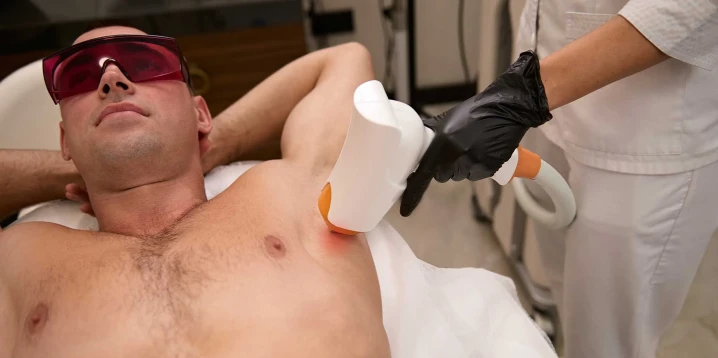
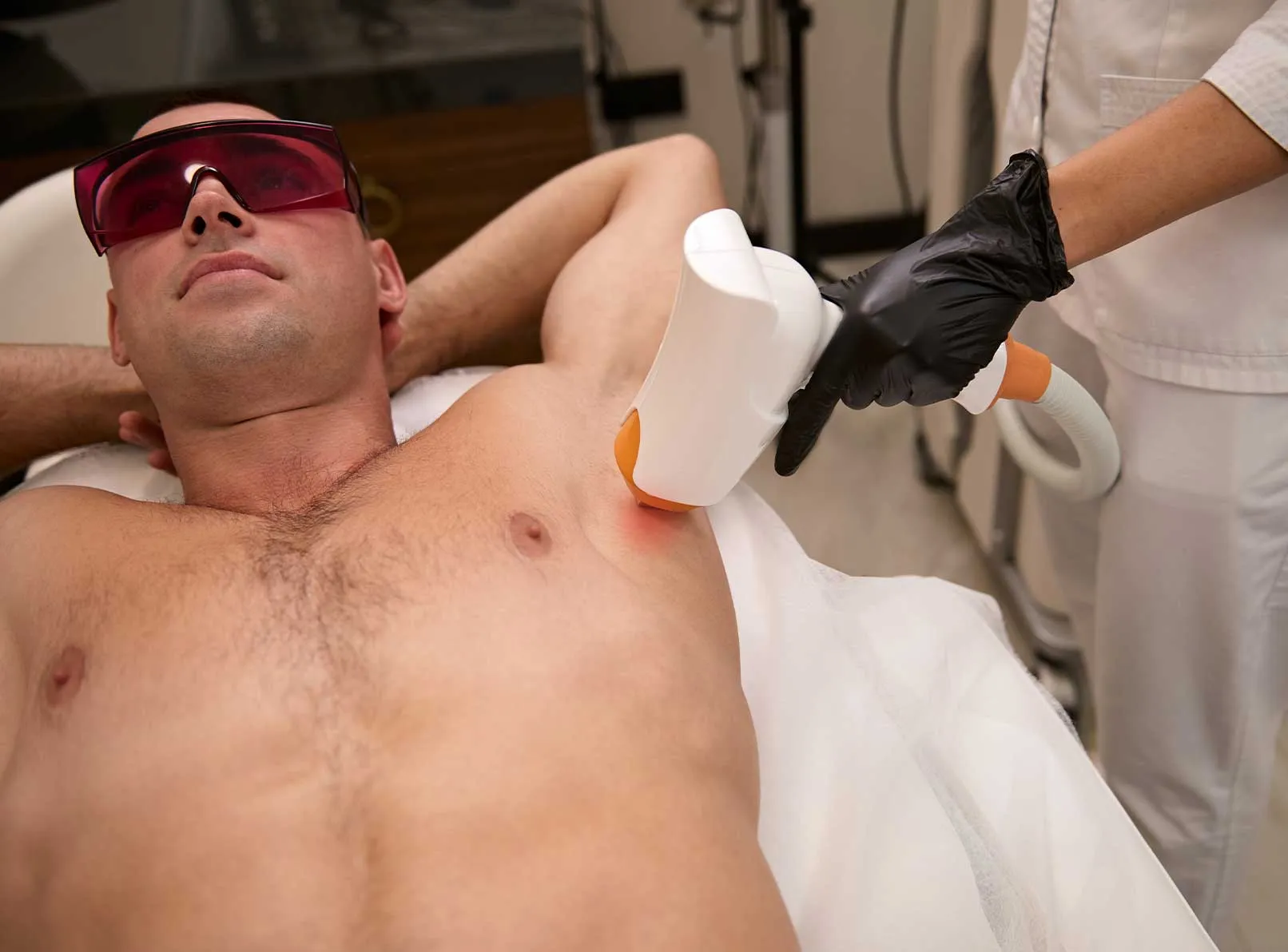
One of the most common skin issues men face in their daily grooming routine is irritation and ingrown hairs following shaving. Particularly for those with thick, curly hair, ingrown hairs in men can lead to both aesthetic concerns and physical discomfort. Traditional shaving techniques often contribute to this cycle by encouraging hairs to grow back into the skin. With advancements in technology, laser hair removal has emerged as an effective method not only for reducing unwanted hair but also for minimizing ingrown hair formation and improving overall skin texture.
In this guide, we will explore the causes of ingrown hairs, how laser hair removal affects this condition, and important post-treatment care tips. Our objective is not to provide medical treatment but to help improve your quality of life through informed personal care and aesthetic solutions.
What Are Ingrown Hairs and Why Are They More Common in Men?
An ingrown hair (pseudofolliculitis barbae) occurs when shaved or plucked hairs fail to exit the skin surface and instead curl under the skin. This can cause bumps, redness, and tenderness. In men, this problem is more frequent due to the regular shaving habits and the characteristics of male hair—typically coarser and thicker. When a razor cuts hair at a sharp angle, it often results in a sharpened tip that is more likely to penetrate the skin.
Research shows that individuals with curly hair are genetically more prone to developing ingrown hairs (American Academy of Dermatology - AAD). Additionally, dead skin cell buildup can clog pores, blocking hair exit paths and increasing the likelihood of ingrown hairs.
Common Areas for Ingrown Hairs in Men
While ingrown hairs can occur on almost any area with hair, men typically experience issues in areas frequently shaved or exposed to friction. The face and neck are the most sensitive due to daily shaving routines. In particular, the area below the neck and the jawline are prone to ingrown hairs due to mixed hair directions. For these areas, men's beard laser hair removal treatments offer an effective care option.
Additionally, the back and shoulders, where hair density is higher, are at risk because clothing friction combined with sweat can clog pores and trigger ingrown hairs (targeted by laser applications). More details can be found on our men’s back laser hair removal page.
The nape is another area where post-shaving irritation is common. Men’s nape laser hair removal treatments aim to thin coarse hairs and minimize the risk of ingrown hairs in this region.
Symptoms and Development of Ingrown Hairs
Ingrown hairs typically appear as small, round bumps on shaved areas, sometimes filled with fluid. These bumps are often accompanied by itching, burning sensations, and discoloration such as hyperpigmentation. The process progresses as follows: hair is shaved, grows back under the skin or breaks through the skin sidewall, and the body reacts to it as a foreign object, causing inflammation.
Repeated ingrown hairs can lead to skin thickening and permanent scarring. Thus, it is important to treat this issue as a skin health concern in addition to aesthetics. For most men, addressing ingrown hairs begins with changing shaving habits, but more permanent aesthetic solutions often involve professional treatments.
How Can Laser Hair Removal Reduce Ingrown Hairs?
Laser hair removal targets hair follicles to reduce hair growth capacity. During the procedure, laser energy is absorbed by melanin pigment in the hair, converting to heat that damages the follicle. This results in hair thinning and reduced density over time. As hair grows finer and sparser, the likelihood of it becoming ingrown decreases naturally.
The following diagram details how laser energy impacts hair follicles.
Unlike traditional methods that cut hair at the surface, laser hair removal offers root-level intervention, preventing the sharp, pointed hair tips caused by razors. At Renew & Revive, we offer painless hair removal methods designed to support comfortable management of ingrown hairs. Studies suggest that laser hair removal can be an effective option for managing pseudofolliculitis barbae (NCBI).
Advantages of Laser Hair Removal and Important Considerations
The primary advantage of laser hair removal is its long-lasting results. Reducing or eliminating the need for frequent shaving allows the skin time to recover and repair. A smooth complexion can boost confidence in men who prioritize personal grooming. For insights on psychological benefits, see our article on the mental effects of hair removal.
However, effective laser treatment depends on choosing the right device and experienced practitioner. Hair and skin color are key factors for success: very light or white hairs may not absorb laser energy effectively. Post-treatment sun protection is essential to prevent pigmentation changes.
For comprehensive skin health, complementary treatments like regional fat reduction and skin tightening can be beneficial. Methods such as Magic Shape regional slimming can be part of your body care routine.
Post-Treatment Skincare and Ingrown Hair Prevention Tips
Post-laser hair removal skin care greatly influences treatment success and comfort. The treated area can be sensitive, so avoid hot water, saunas, and vigorous exercise for 24-48 hours. Keeping skin moisturized supports its barrier function.
Avoid hair removal methods that pull hair out at the root (waxing, tweezing) between sessions; instead, shave or trim as needed. Regular exfoliation helps keep pores clear, making it easier for new hairs to grow out properly. For detailed guidance, visit our before and after hair removal care page.
Expert Advice and Warnings
Laser hair removal and skin care treatments should be personalized, as each skin and hair type reacts differently. When seeking solutions for ingrown hairs in men, consultation with certified aestheticians and, if necessary, dermatologists is crucial.
At Renew & Revive, we prioritize hygiene and safety in all procedures. However, severe inflammation, cyst formation, or signs of infection require immediate medical attention. Laser hair removal is a cosmetic procedure, not a medical treatment, and results may vary individually.
The content provided by Renew & Revive is for general informational and awareness purposes only. It is not intended as medical diagnosis, treatment, or professional healthcare advice. For skin diseases, serious infections, or conditions requiring medical intervention, please consult a dermatologist or authorized healthcare provider. Laser hair removal is a personal care service, and results may vary based on individual characteristics. Do not delay seeking professional medical care because of information presented here.
Frequently Asked Questions
Answers to the most frequently asked questions about this content
What causes ingrown hairs in men?
Ingrown hairs in men usually occur when shaved hairs become sharp and curl back under the skin. Factors such as coarse, curly hair texture, shaving too close to the skin, and clogged pores from dead skin cells contribute to this condition.
Does laser hair removal permanently solve ingrown hairs?
Laser hair removal targets hair follicles to thin and reduce hair growth. As hairs become finer and fewer, the risk of ingrown hairs decreases significantly. While it provides almost permanent reduction, results can vary between individuals.
How many laser hair removal sessions are needed and is it painful?
The number of sessions depends on hair density, color, and the treatment area, but typically 6-8 sessions are recommended. Thanks to advanced cooling technology, discomfort during the procedure is minimal.
What precautions should be taken after laser hair removal?
After the procedure, it is important to protect the skin from sunlight, keep it moisturized, and avoid hot showers or saunas for the first 24 hours. Also, hair removal methods that pull hair from the root, such as waxing, should be avoided between sessions.
Are there natural home remedies for ingrown hairs?
Regularly cleansing the skin, applying warm compresses, and gentle exfoliation can help open pores. However, for inflamed or persistent ingrown hairs, it is safer to consult a specialist rather than trying home treatments.
