


Blog
Effective and Lasting Solutions for Post-Acne Scars
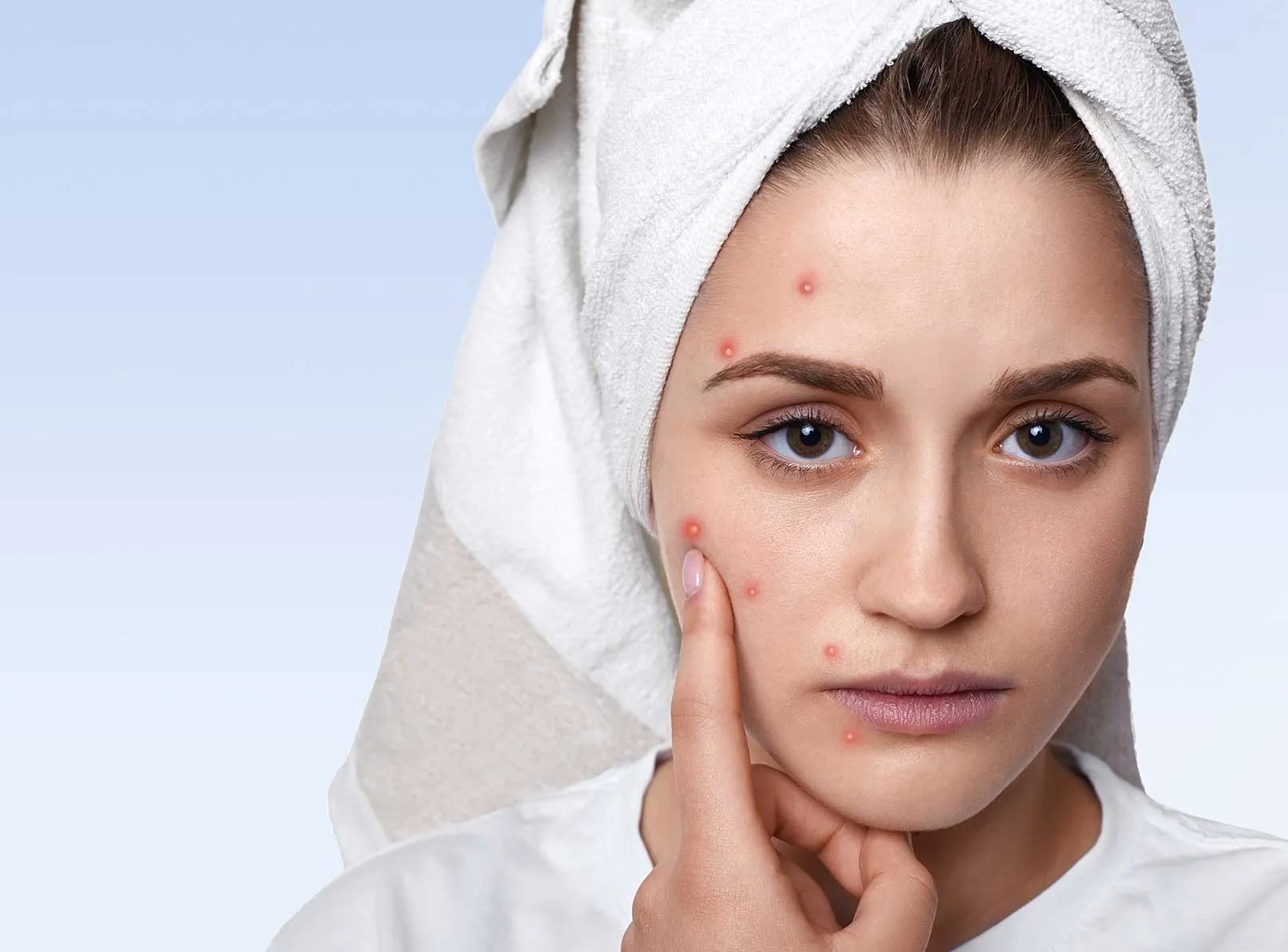
Acne is a common skin issue many of us experience at some point; however, the marks left behind after healing can sometimes be more troublesome than the acne itself. Post-acne marks can overshadow the smooth appearance of your skin and impact your confidence. At Renew & Revive, we believe that skin health requires a holistic approach. Our goal is to support your skin's natural repair processes to help you achieve a healthier and more radiant complexion.
In this guide, we will explore the causes and types of post-acne marks, as well as modern treatment options to help reduce their appearance. With evidence-based approaches and a skilled team, we are here to provide the care your skin needs.
What Causes Post-Acne Marks?
Post-acne marks primarily develop as a natural response to skin inflammation. When a pimple forms, pores become clogged with oil, dead skin cells, and bacteria. This triggers trauma to the skin tissue, and during healing, irregular pigmentation or texture changes may occur.
Inflammation and Pigmentation Process in the Skin
Inflammation stimulates melanin production during healing. Darker skin tones are more prone to a condition called post-inflammatory hyperpigmentation (PIH), where dark spots remain after inflammation. The skin produces excess melanin to protect the affected area, resulting in brown or black spots. If inflammation reaches the dermis layer and collagen is lost, depressions or textural irregularities can appear.
Different Types of Marks: Redness, Brown Spots, and Scars
Not all post-acne marks are identical, so identifying the type is essential for an effective treatment plan. Generally, post-acne marks fall into three categories:
1. Post-Inflammatory Erythema (PIE): Red or pink marks caused by dilated capillaries, common in lighter skin tones.
2. Post-Inflammatory Hyperpigmentation (PIH): Brown spots caused by excess melanin production.
3. Atrophic Scars: Depressions in the skin caused by tissue loss, including types like icepick, boxcar, and rolling scars.
Do Post-Acne Marks Fade on Their Own?
This is one of the most common questions we receive. Mild surface marks may fade over several months through the skin’s natural renewal cycle. However, deeper pigmentation and scars generally do not disappear completely without professional treatment.
Skin’s ability to self-repair depends on age, genetics, and skincare habits. While waiting can sometimes yield improvements, timely interventions can shorten recovery and help achieve smoother skin texture.
Treatment Options for Post-Acne Marks
Thanks to advances in skincare technology, there are many options for treating post-acne marks. The best method depends on the depth of the mark and your skin type. At Renew & Revive, our targeted mark removal treatments and skin renewal procedures are personalized to maximize results.
Chemical Peels and Mark-Targeted Peeling
Chemical peels are commonly used for surface marks and uneven skin tone. This procedure gently exfoliates the upper skin layers, promoting fresh, clearer skin underneath. Our mark-targeted peeling therapy accelerates skin renewal to enhance brightness and clarity.
Microneedling: Dermapen and Dermaroller
Microneedling activates the skin’s natural healing by creating micro-channels that stimulate collagen and elastin production. This method is especially effective for filling in depressed scars and improving skin texture. While Dermaroller treatments can be performed at home or under supervision, professional Dermapen procedures offer deeper, cleaner results with better hygiene control.
Gold Needle and Needle-Free Mesotherapy
One of the advanced techniques we offer is the Gold Needle treatment, which delivers radiofrequency energy deep into the skin to effectively treat scars without damaging the surface. For clients with needle anxiety, needle-free mesotherapy infuses brightening and nourishing vitamin cocktails using special devices.
DermaRevive and SnowCell Treatments
Beyond traditional methods, Renew & Revive provides unique protocols aligned with the skin’s biology. These treatments not only reduce mark visibility but also improve overall skin quality.
DermaRevive: Supporting Skin Renewal
The DermaRevive facial treatment restores moisture and essential building blocks, accelerating the skin’s repair. Especially effective on post-acne marks, this protocol strengthens the skin barrier and balances uneven tone. Specialized serums and techniques help the skin appear refreshed and vibrant.
SnowCell: Targeted Mark Reduction Treatment
Our SnowCell mark treatment combines enzyme peeling and active ingredients to reduce stubborn pigmentation. By suppressing melanin production, it lightens existing marks and helps prevent new ones. SnowCell offers a gentle yet effective brightening effect without irritation.
How to Prevent Post-Acne Marks
The most effective way to fight marks is to prevent them from forming. Treat acne gently as soon as it appears to avoid deepening marks. Avoid squeezing pimples, use appropriate cleansers, and always apply sunscreen. UV exposure can darken inflamed areas and make marks permanent.
Additionally, staying informed about latest acne care innovations and adjusting your routine accordingly helps protect your skin.
Conclusion and Important Notes
Skincare is a journey that requires patience. The results of treatments for post-acne marks vary between individuals. The key is to work with professionals familiar with your skin to choose the right path.
The Importance of Personalized Care and Expert Support
At Renew & Revive, we believe every client’s skin is unique. Information from unofficial sources or products that work for others may not suit your skin and could cause unexpected reactions. Therefore, consulting a professional for a skin analysis before starting treatments is the safest choice.
Legal Notice
This content is for information only and does not constitute medical advice. Consult a professional for your skin concerns. Renew & Revive is not a medical institution and does not provide medical diagnosis or treatment services.
This content is provided for general informational purposes only. The services offered by Renew & Revive fall within personal care and beauty treatments and do not constitute medical diagnosis, treatment, or healthcare services. The information presented is not a substitute for professional medical advice. For skin diseases or any medical conditions, please consult a qualified healthcare provider or specialist. Do not delay seeking professional care based on this content.
Frequently Asked Questions
Answers to the most frequently asked questions about this content
Why do acne scars form?
Acne scars develop due to collagen damage or pigment irregularities in the skin during the healing process of inflammatory acne. The type of scarring depends on how the skin repairs itself. For personalized advice, it’s best to consult a dermatologist.
Do acne scars go away on their own?
While some mild redness may fade over time, persistent hyperpigmentation (dark spots) or atrophic scars (indentations) usually do not improve without treatment. The duration depends on skin type and scar severity. Consult your doctor for medical advice.
What treatments are effective for acne scars?
Effective treatments vary by scar type and may include chemical peels, laser therapy, microdermabrasion, microneedling (such as Dermapen), and advanced procedures like DermaRevive or SnowCell. Treatment selection should be made by a specialist.
How are DermaRevive or SnowCell treatments administered?
Treatments like DermaRevive and SnowCell are professional procedures designed to support skin renewal and boost collagen production. Application methods, session numbers, and recovery times vary based on the product and individual needs. Consult a skincare professional for detailed information.
How can acne scars be prevented?
The best way to prevent acne scars is to treat acne properly and avoid picking at pimples. Regular skincare, sunscreen use, and anti-inflammatory products can also help minimize scarring. For a tailored prevention plan, seek advice from a dermatologist.
